Part 31
Interior panels
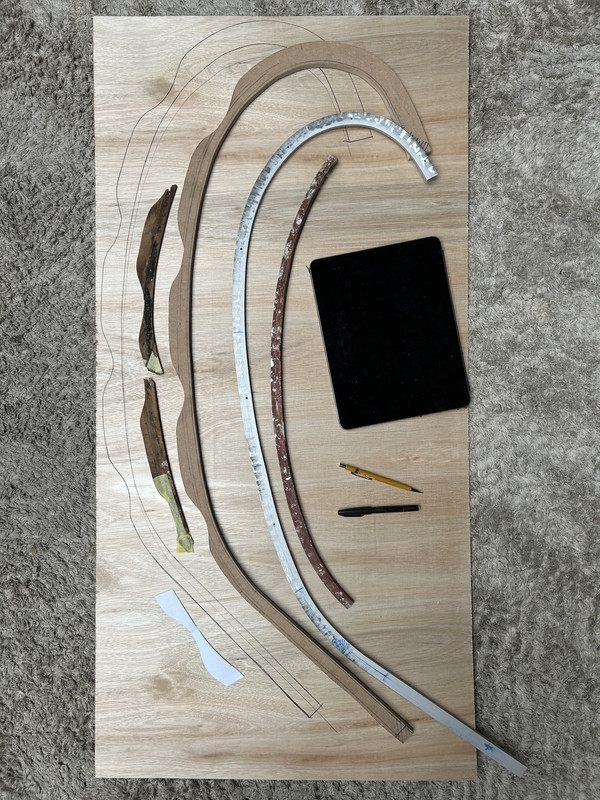
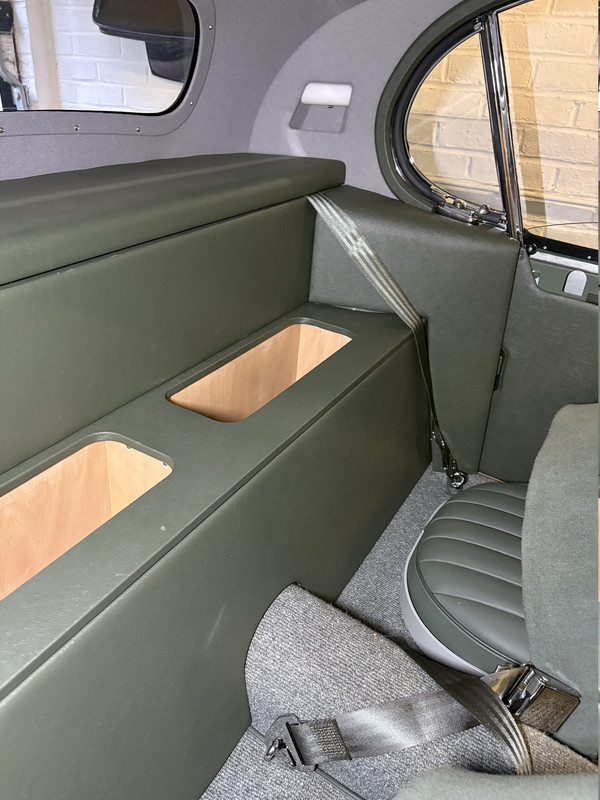
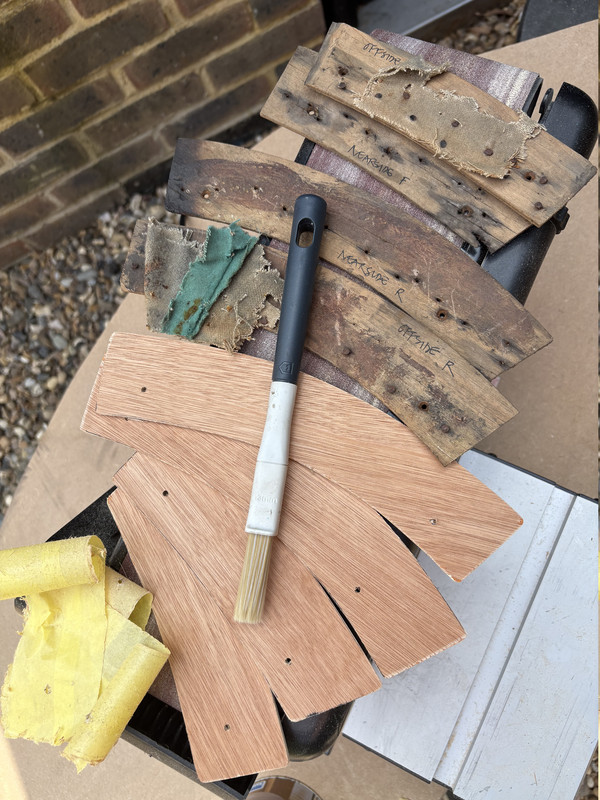
Armed with all that experience it was time to tackle the panels behind the seats…all of which had to be bespoke as we had changed the bulkhead structure…..9mm plywood is your best friend in this respect….after card templates were made….and after I had got my head around how to secure them into place, as I wanted to avoid any visible screw fixings as much as possible
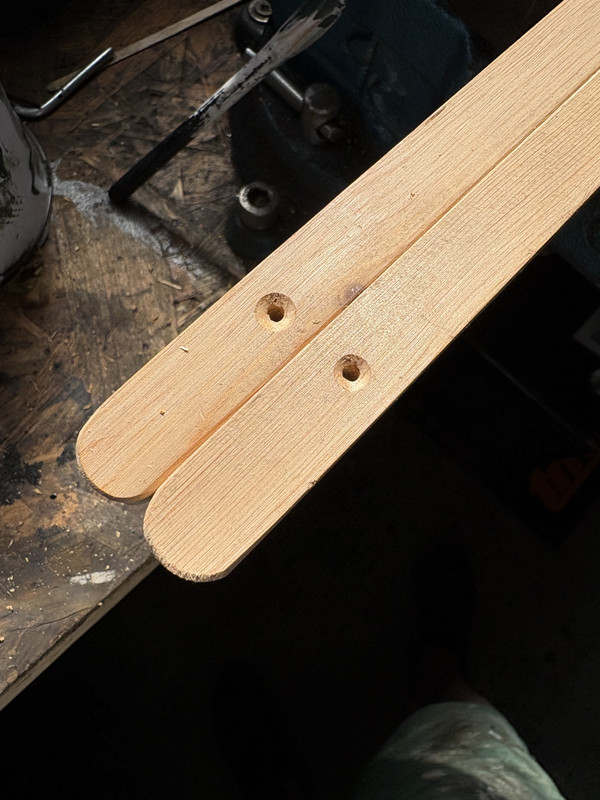
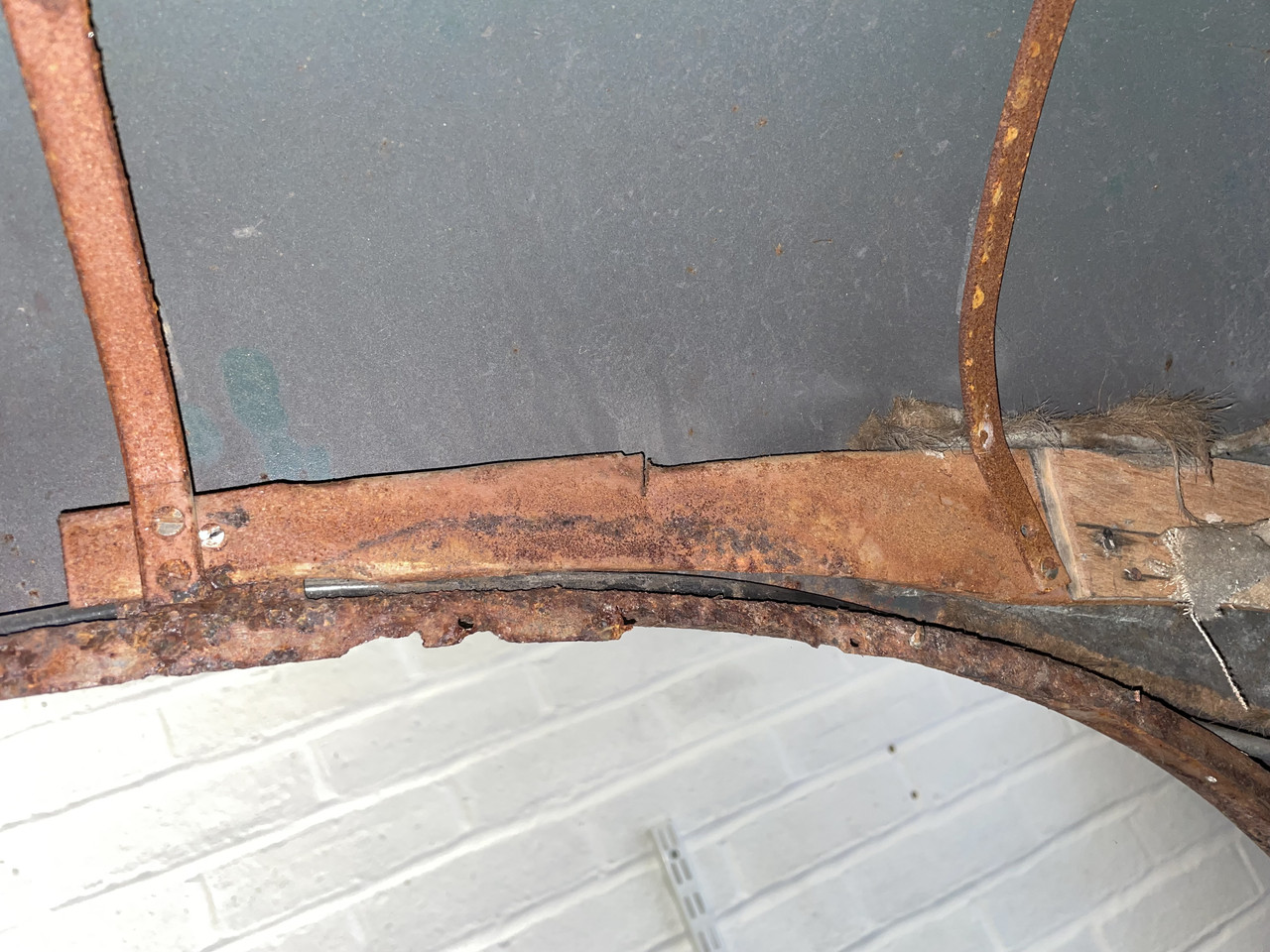
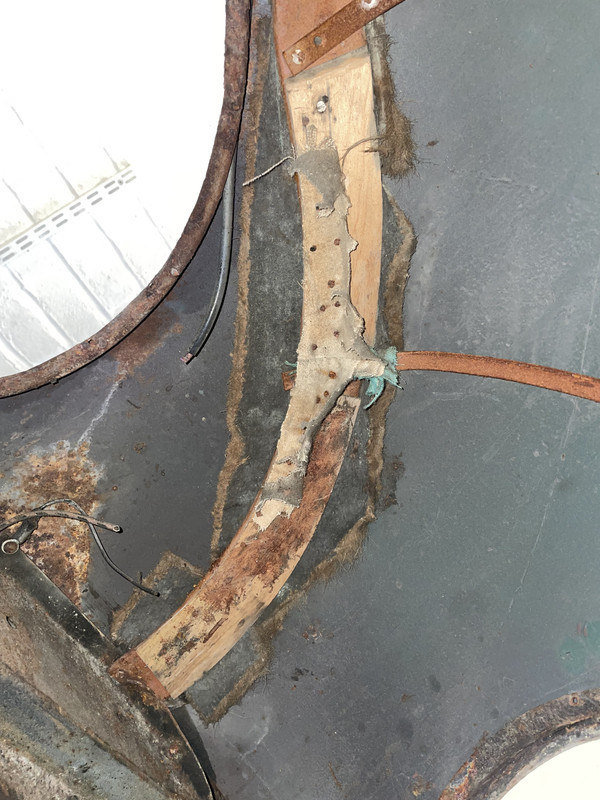
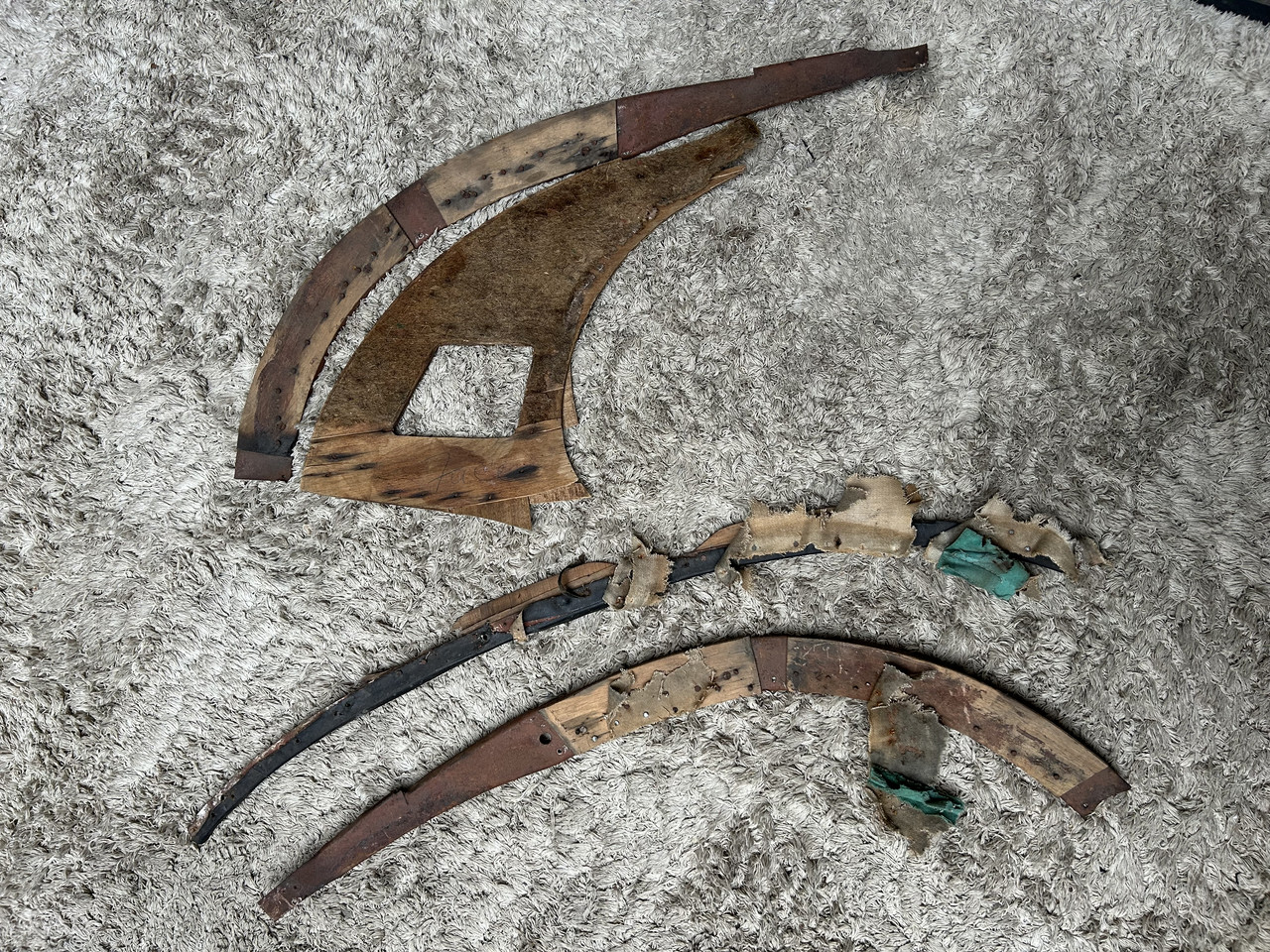
The original trim on the car relied on tacking strips of timber that were initially screwed into the bodywork, then allowing trim panels to be screwed into them, so I elected to use a similar sub-structure, fixed with stainless screws but also glued into place with Sikaflex…that should stop any flexing and squeeking later on
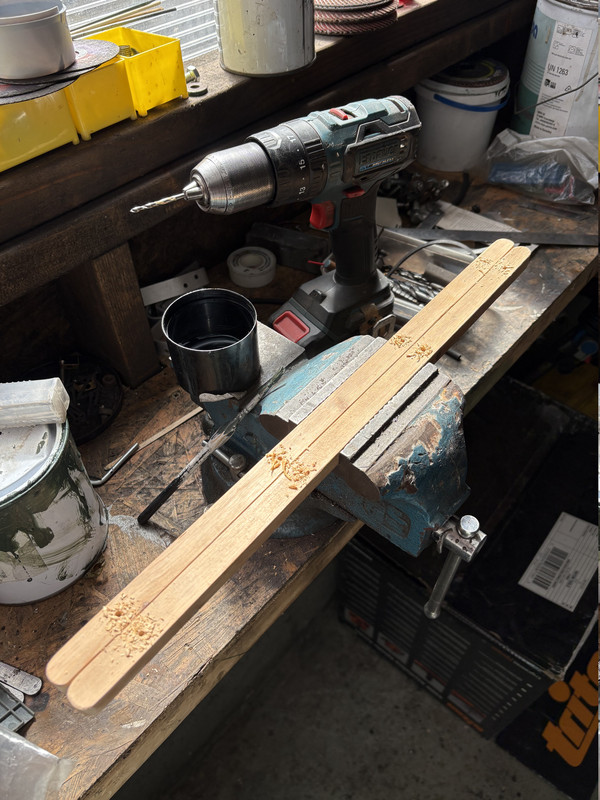
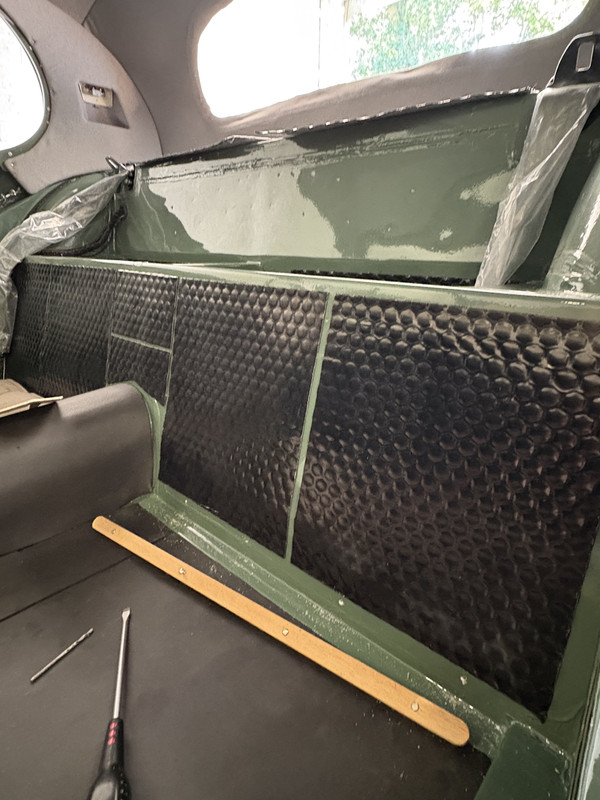
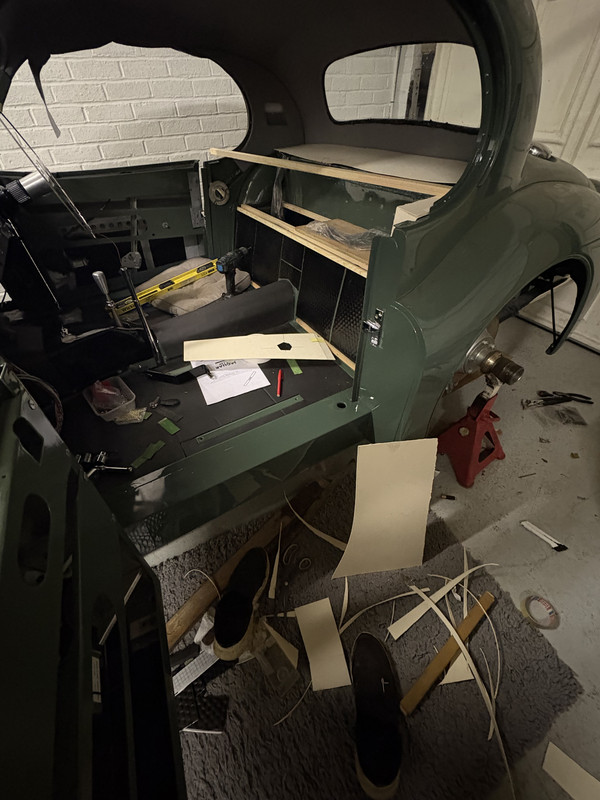
But not before I applied a decent layer of sound proofing…with my usual OCD approach to neat panels, although this will all be entirely covered from view…
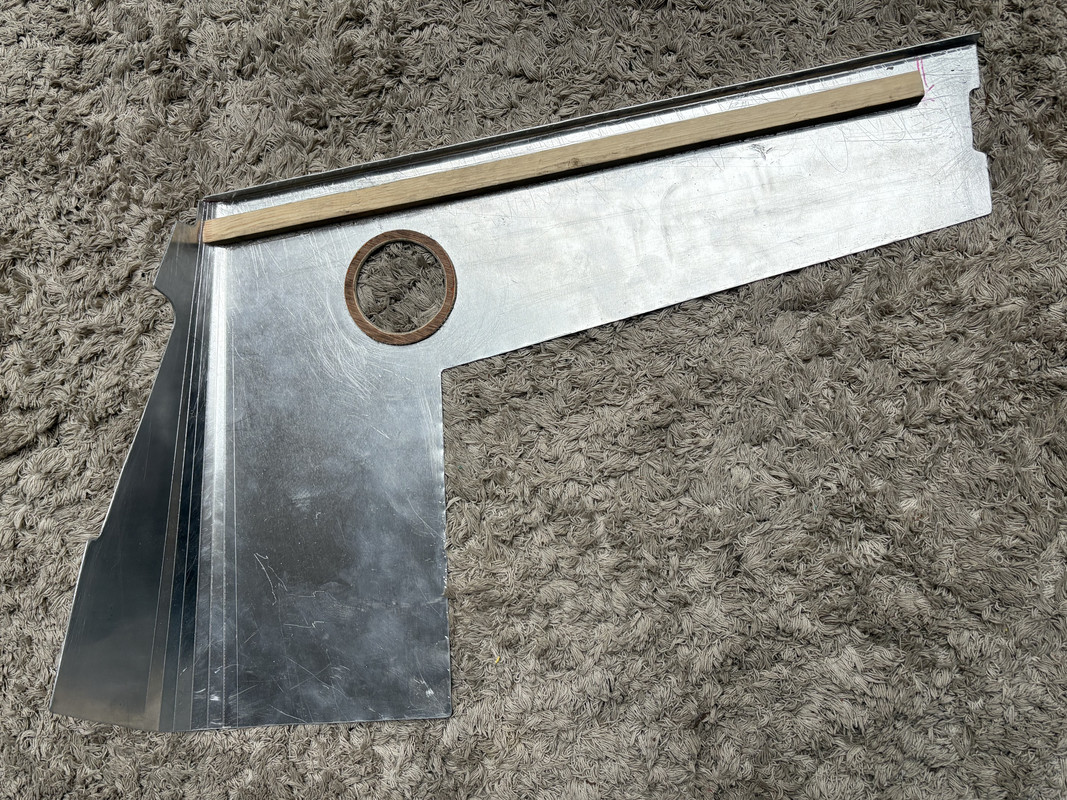
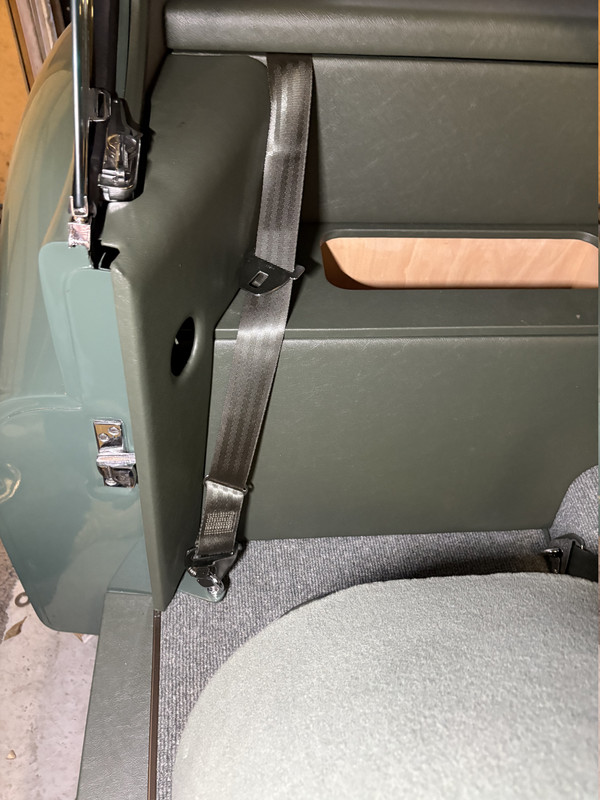
The rear panels were relatively simple, probably the only tricky moment was how to create the rounded ends of the rectangular cut-outs I needed, to give access to the storage units I made….a benefit of the redesigned bulkhead that we undertook
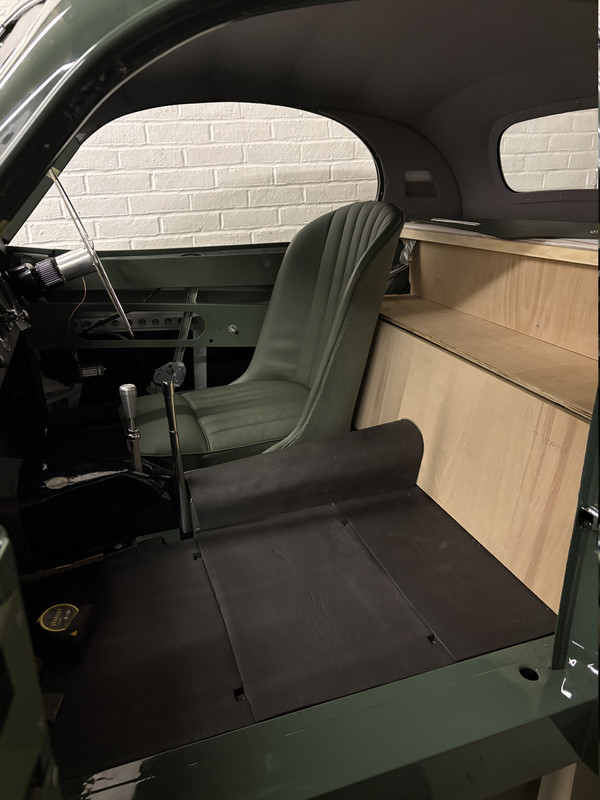
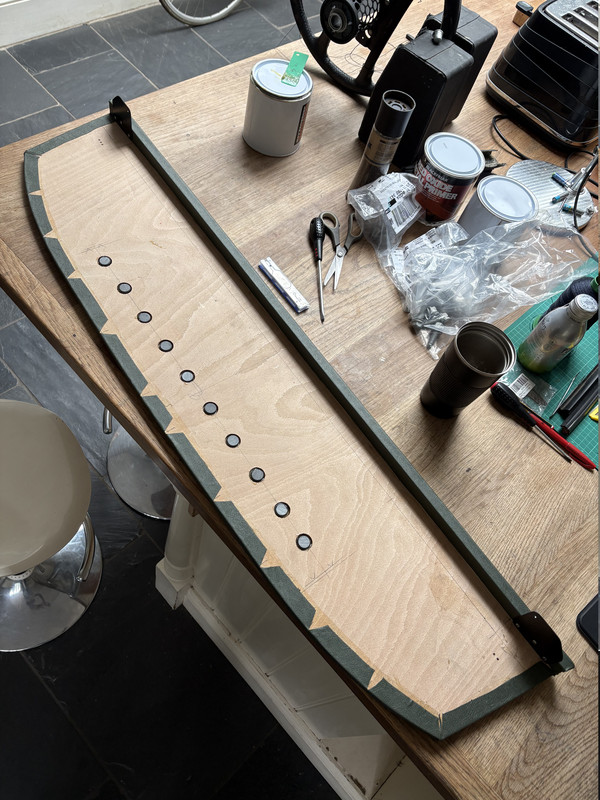
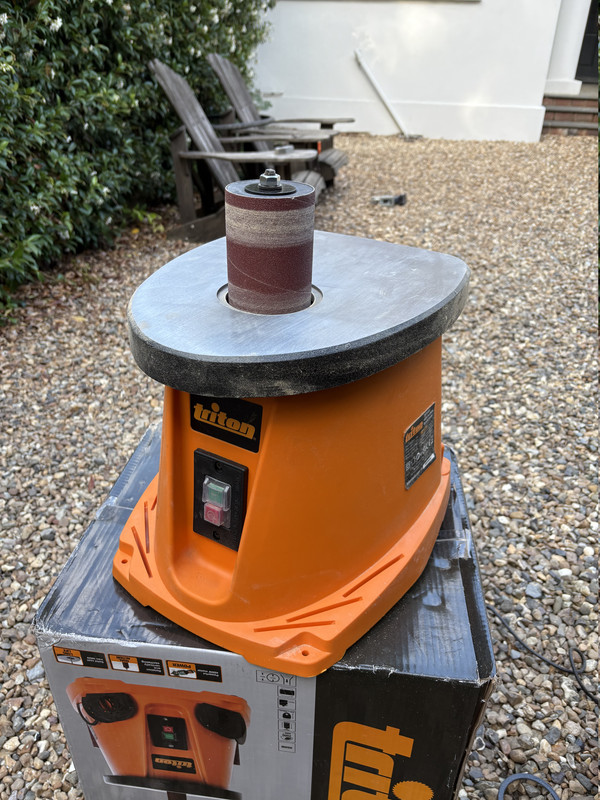
Bring into play that last power tool…the cylindrical sander….lovely bit of kit….that took care of the ends and the router plus a guiding straight edge sorted the straight lines
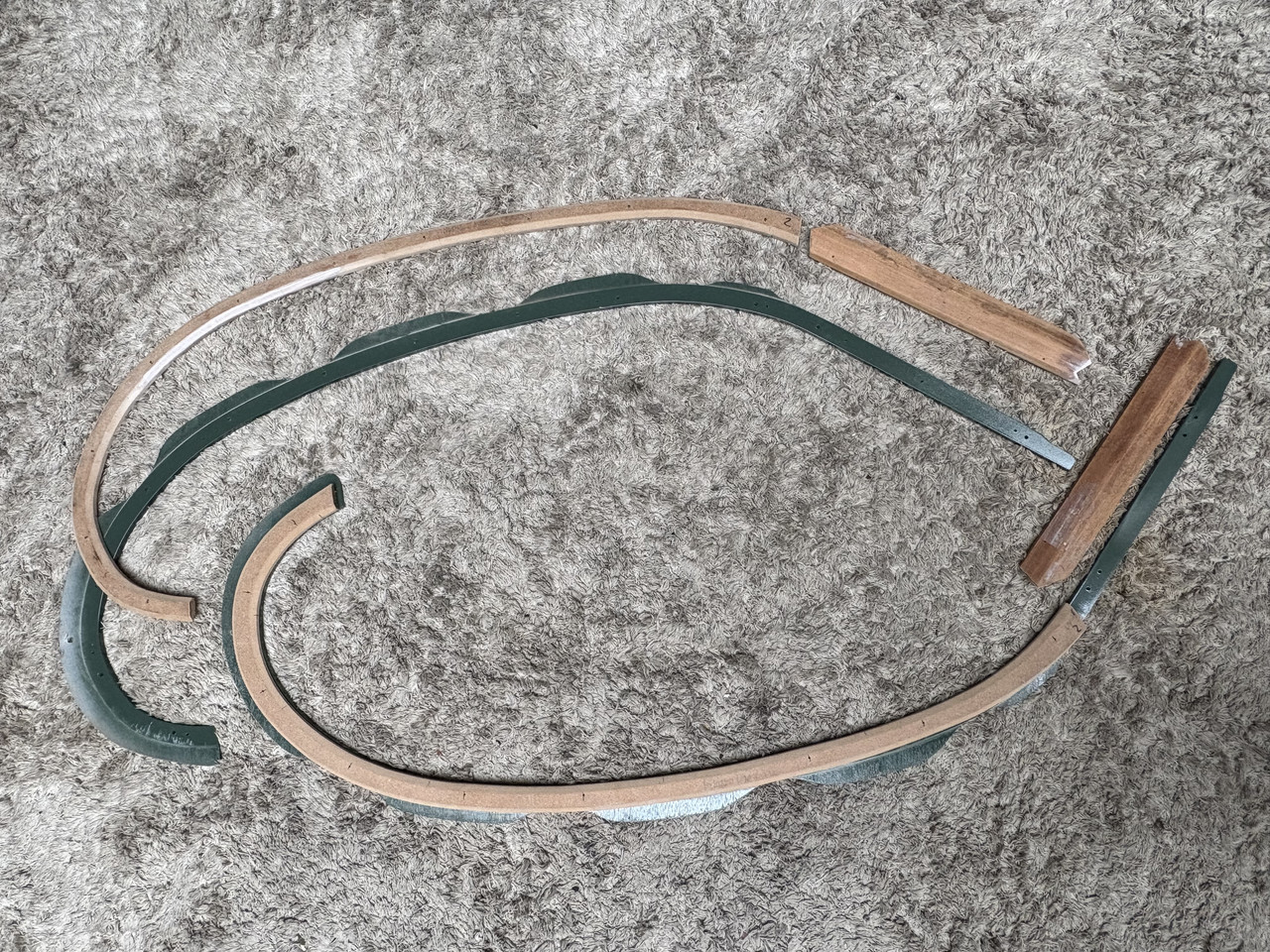
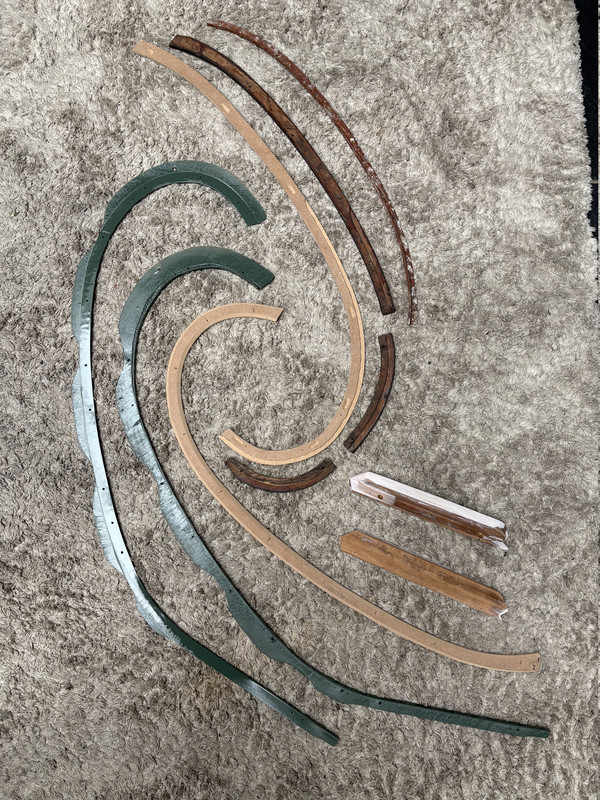
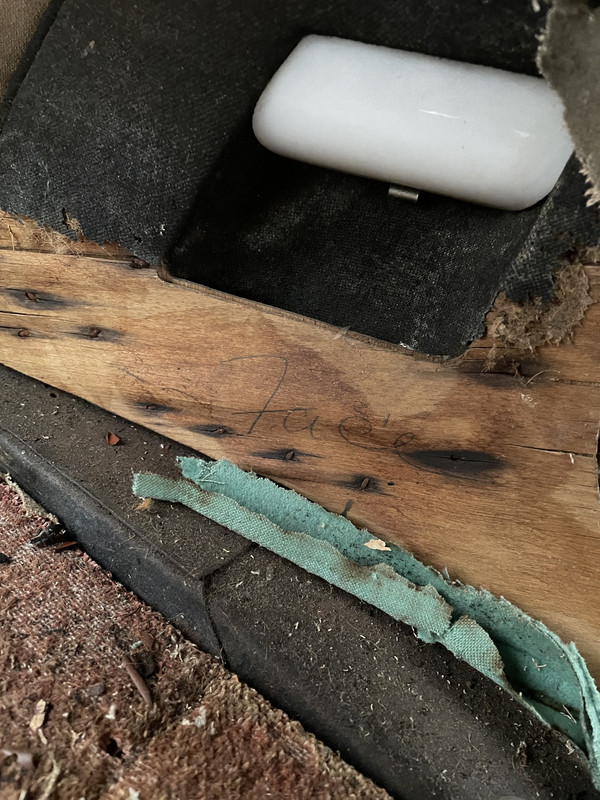
Again covering in vinyl was tricky…principally the challenge of stretching vinyl around an internal circular edge….the vinyl had little give in it so slow persuasion was needed….as I type this I still have to make to plywood infills, which I intend to recycle a section of one of the original ply panels as it has the original body number in red crayon
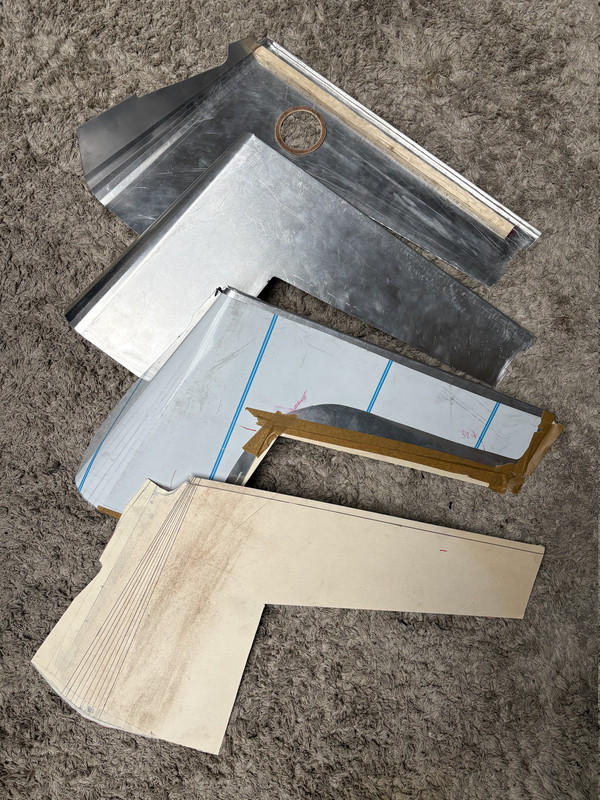
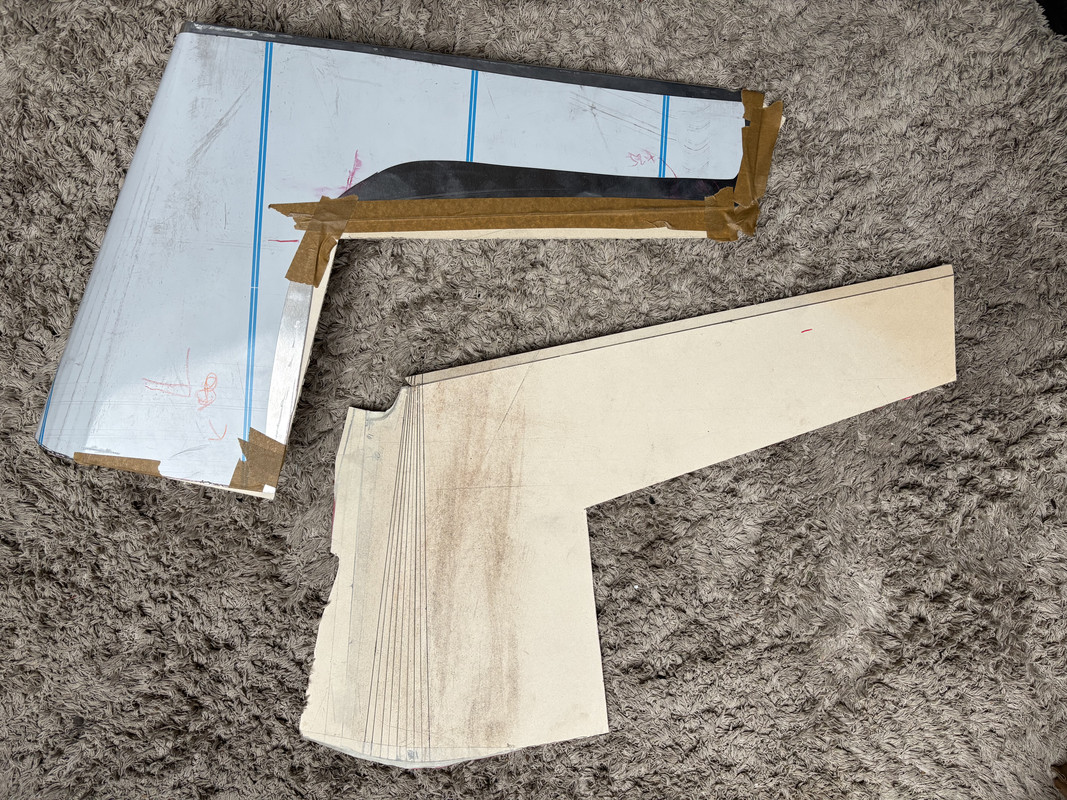
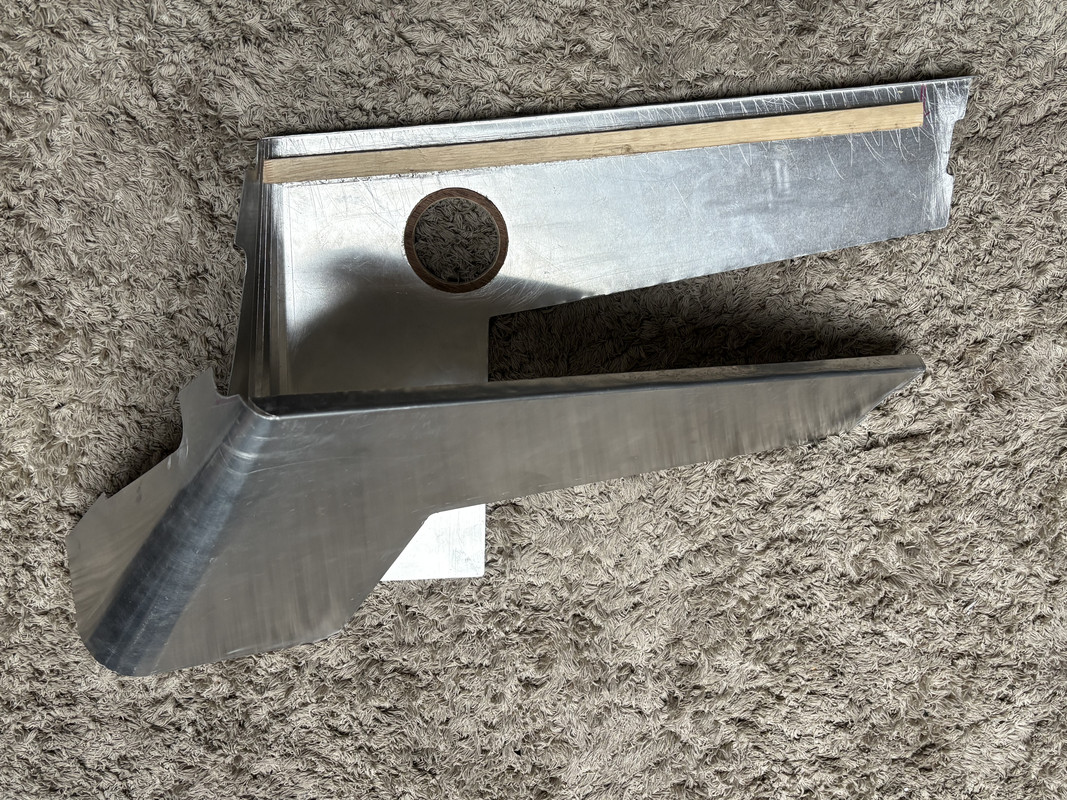
In contrast, although not straightforward the door panels were simpler…I elected to make these rather than buy them so I could refine their fit….in the pursuit of perfect door gaps I was pretty sure the actual shape of the inner door panels had changed slightly….so no point in buying pre made ones….and anyway they would be hardboard so much thicker….time to mock them up and make from aluminium….which also allowed me to create a solution to avoid visible screw fixings which was the norm back in the day
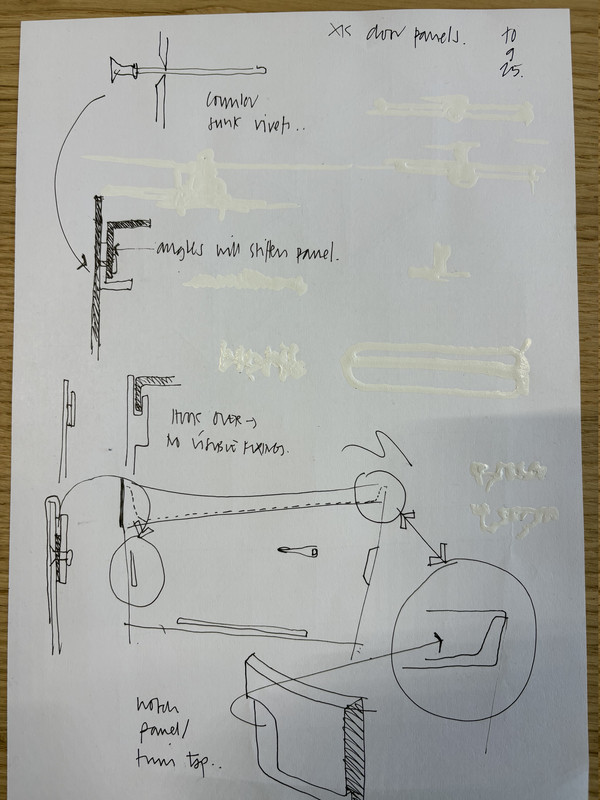
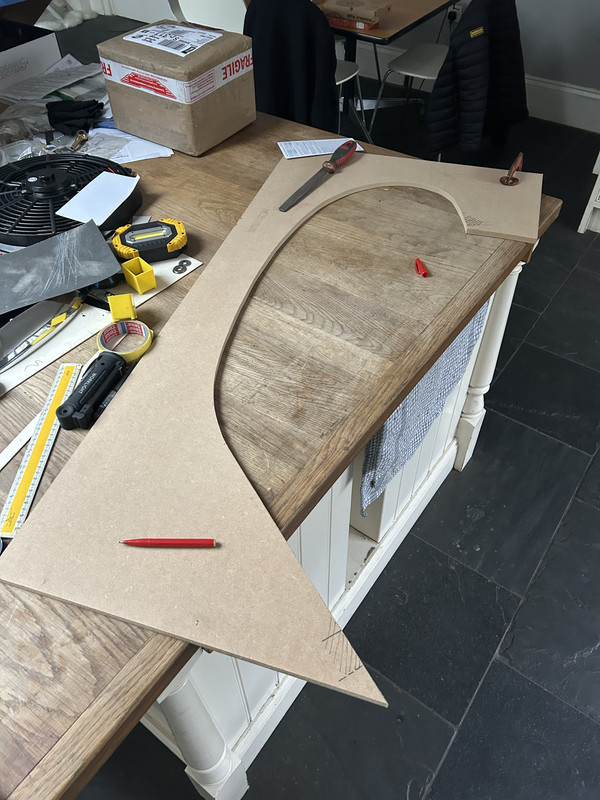
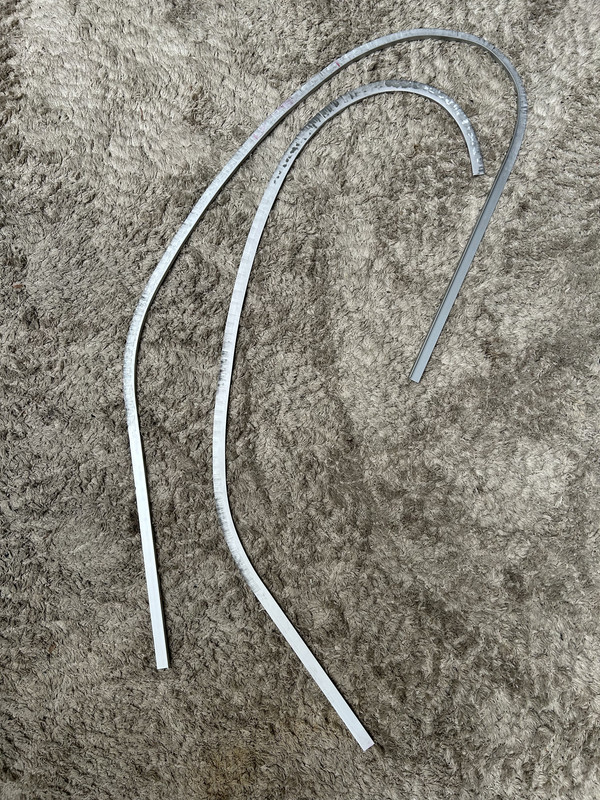
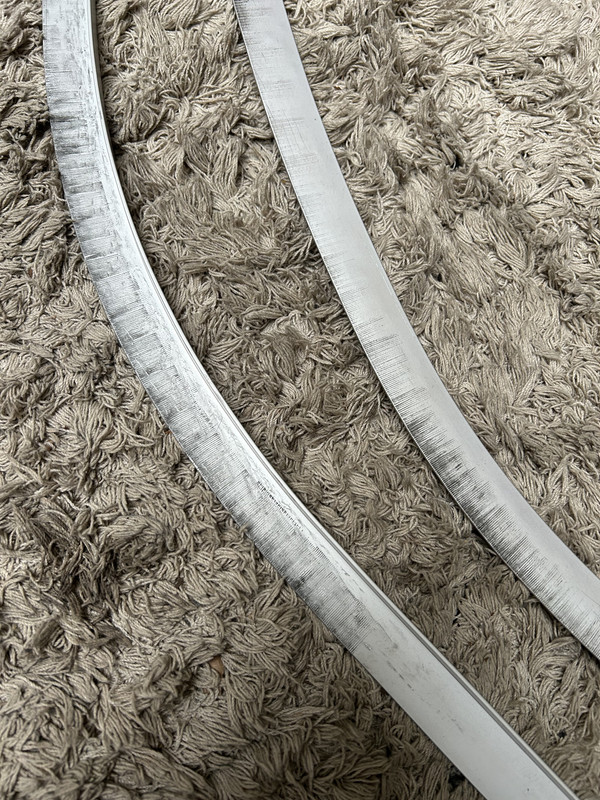
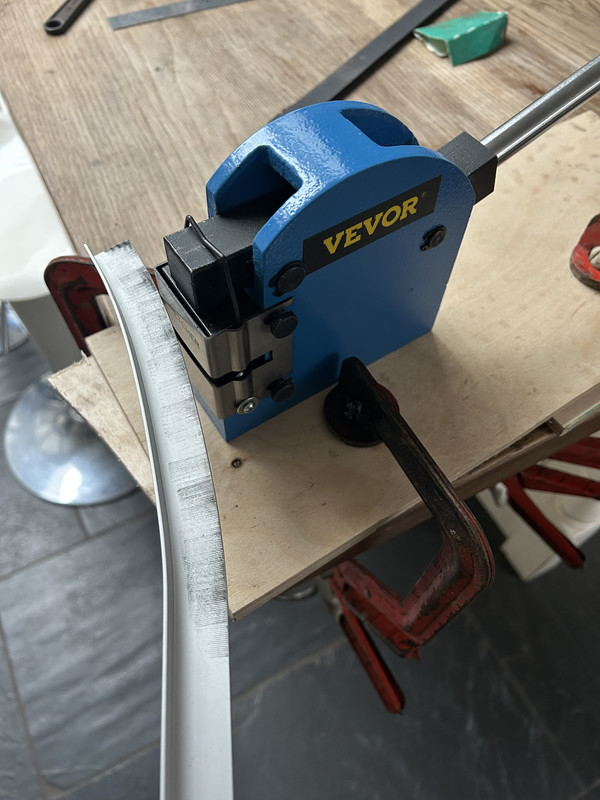
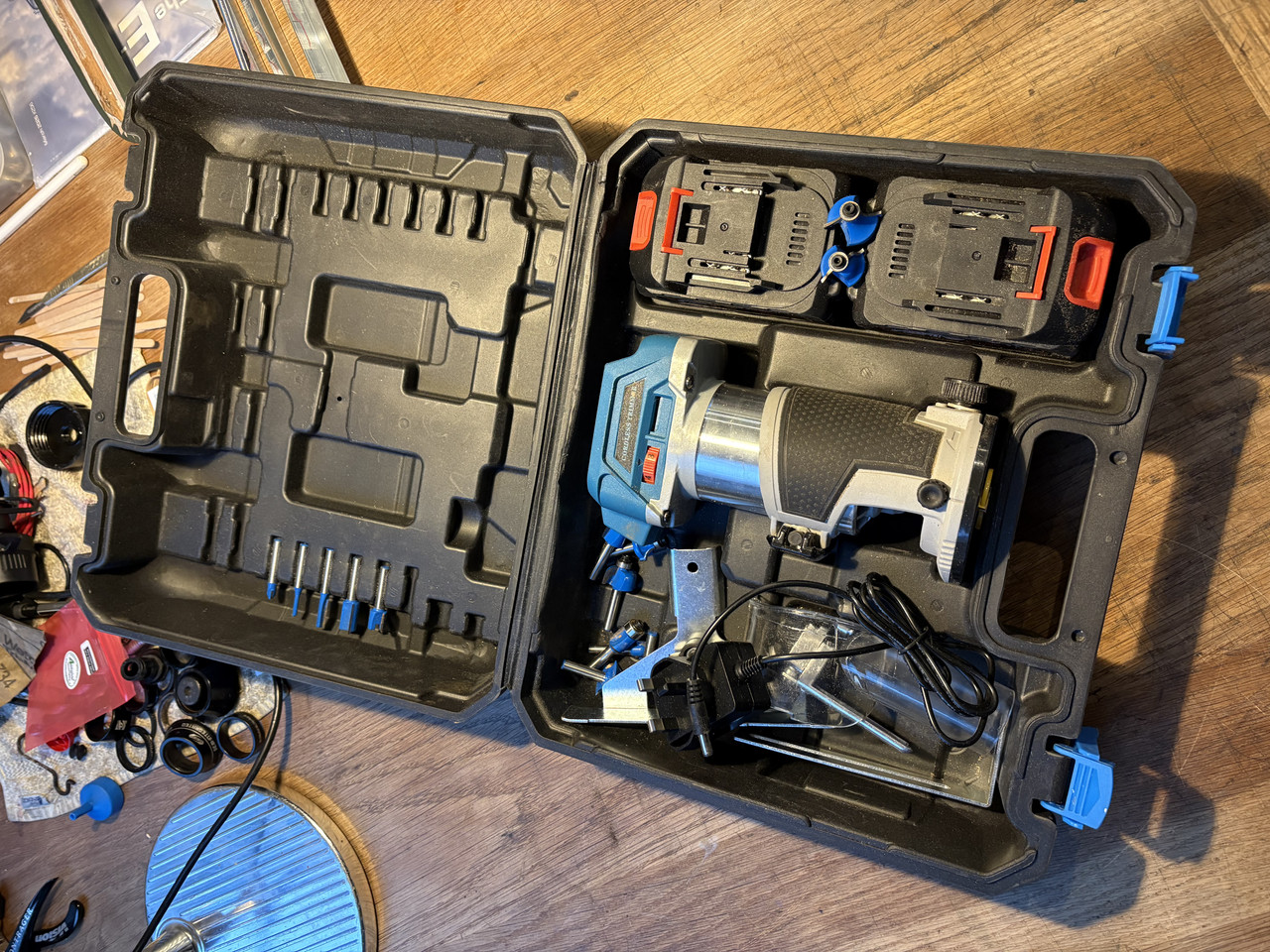
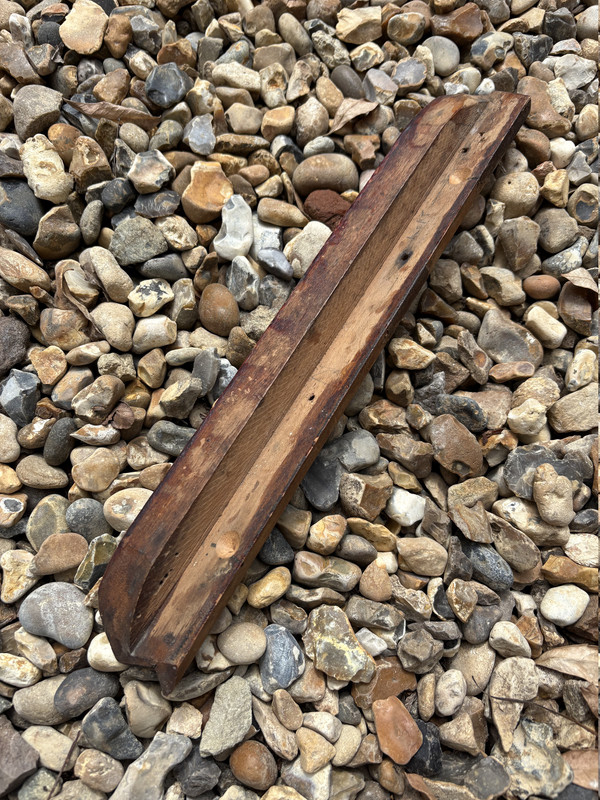
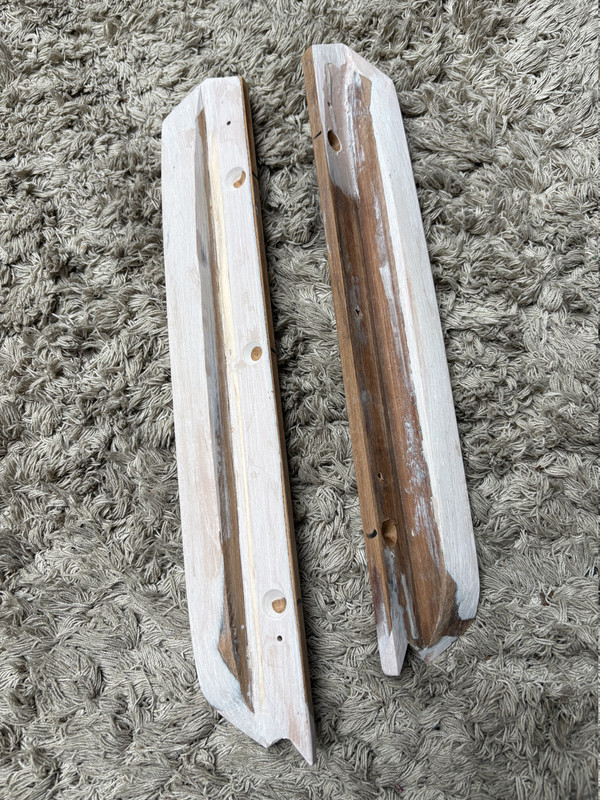
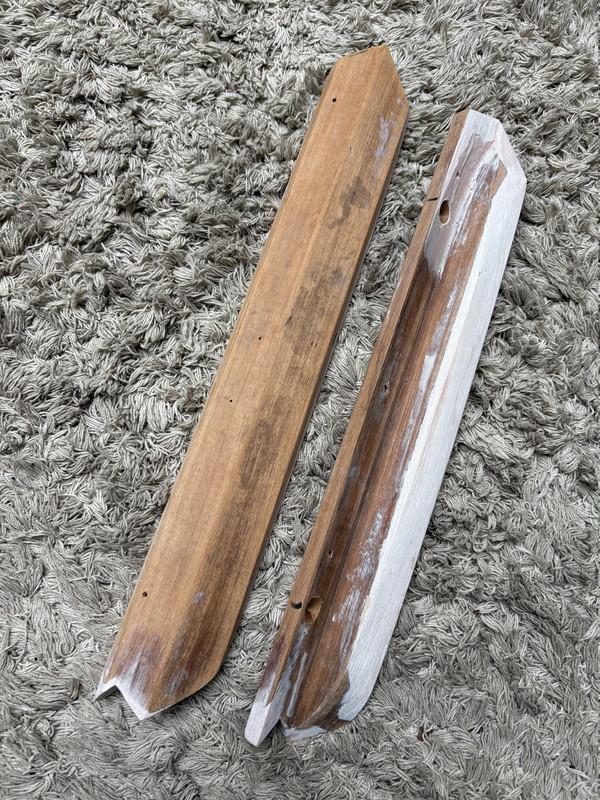
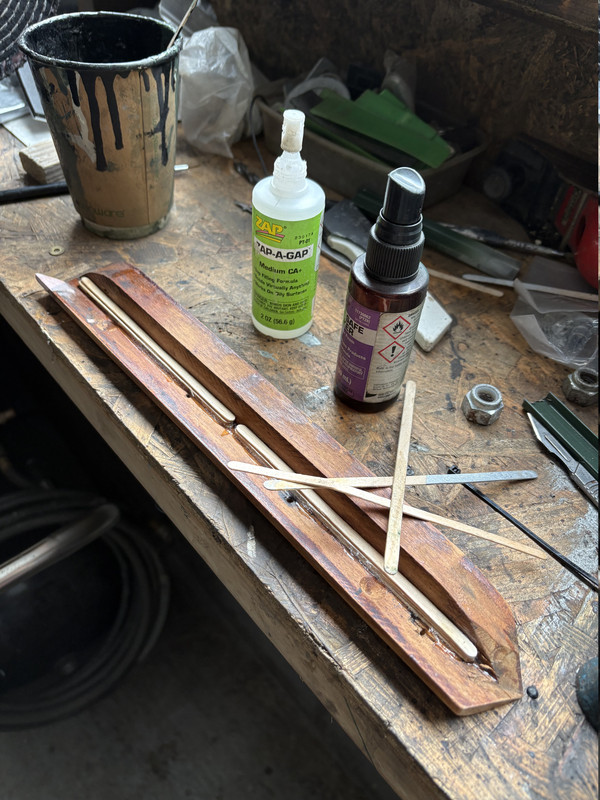
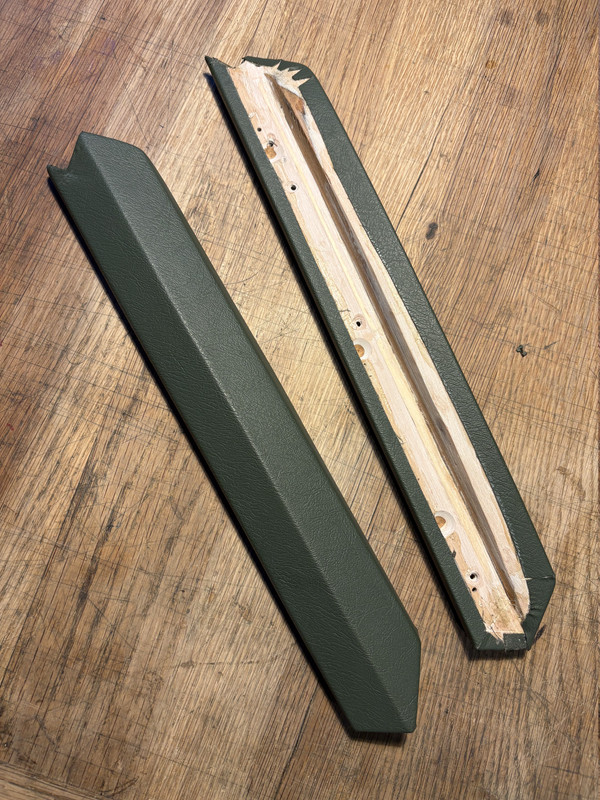
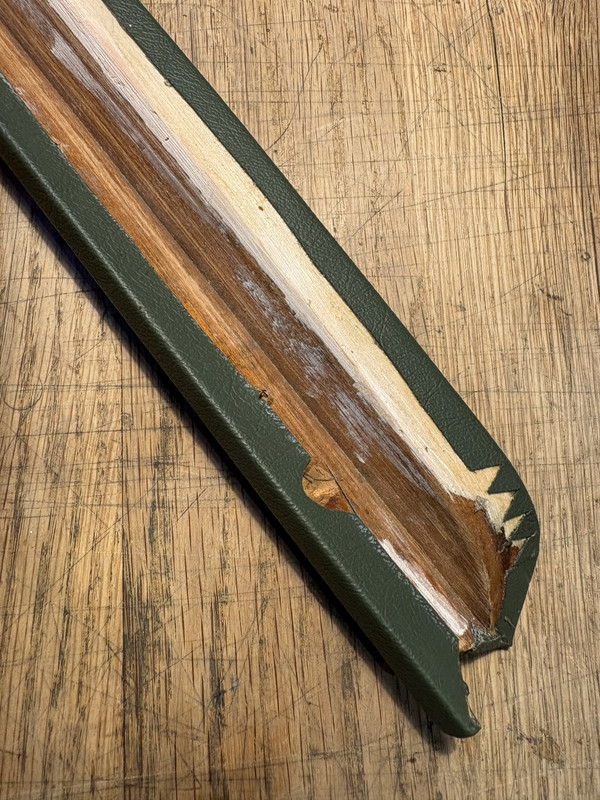
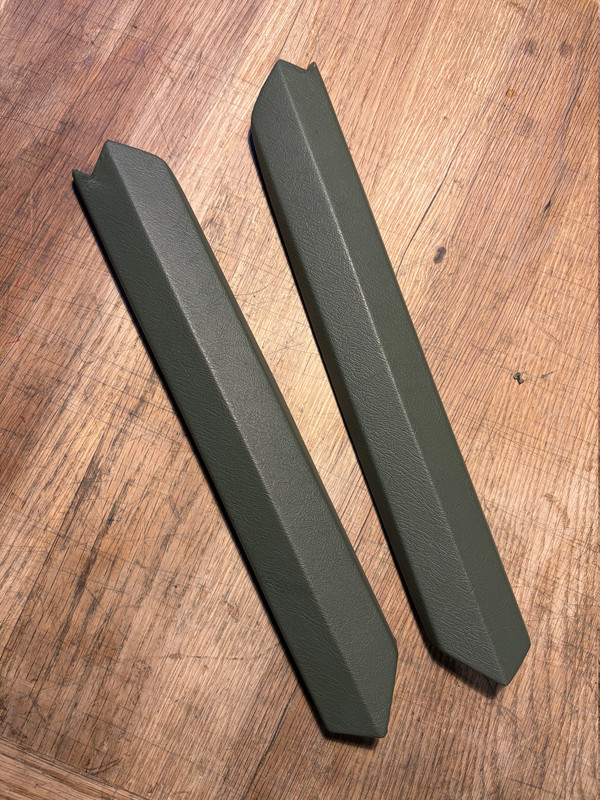
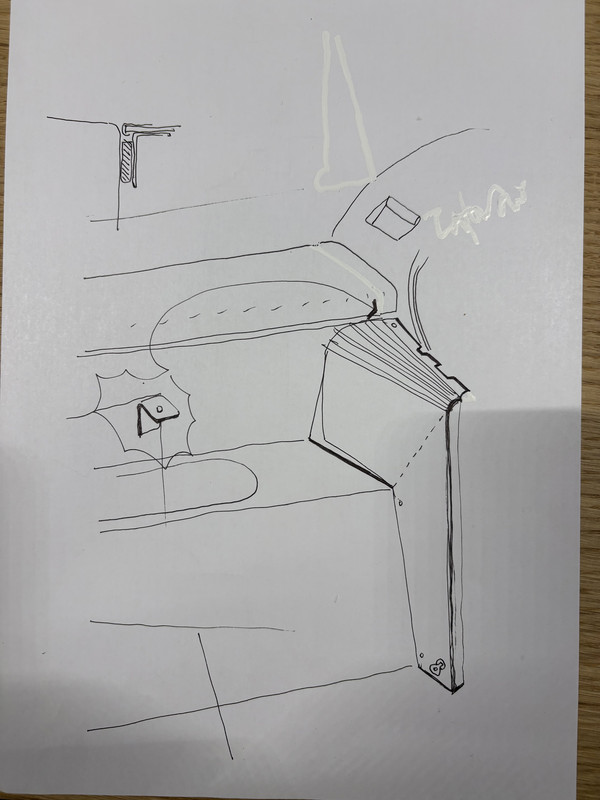
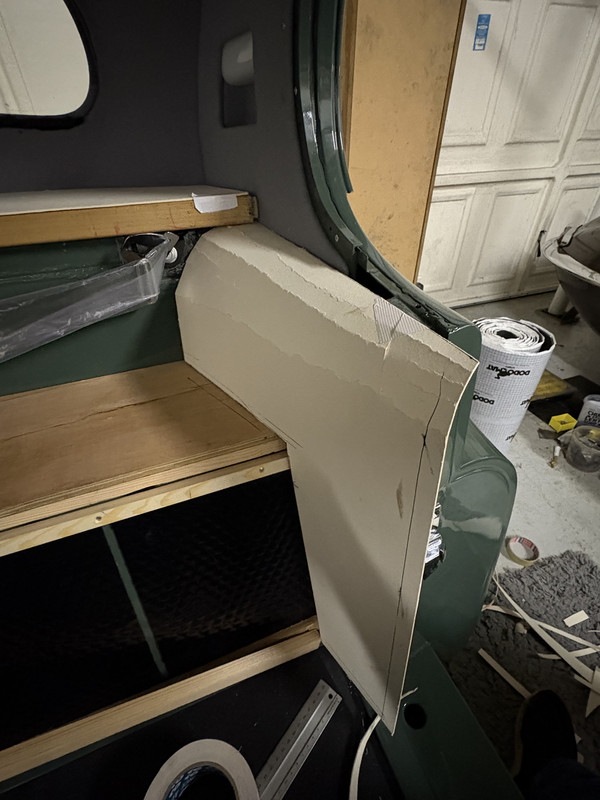
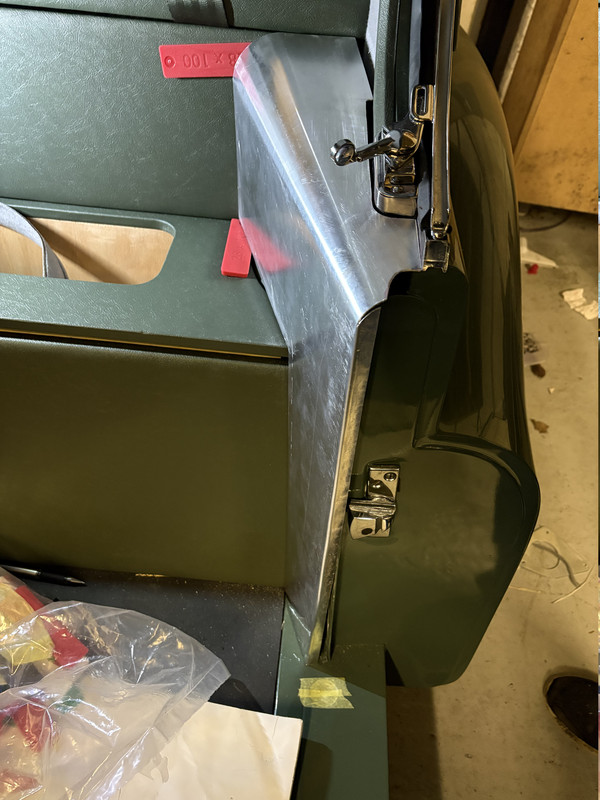
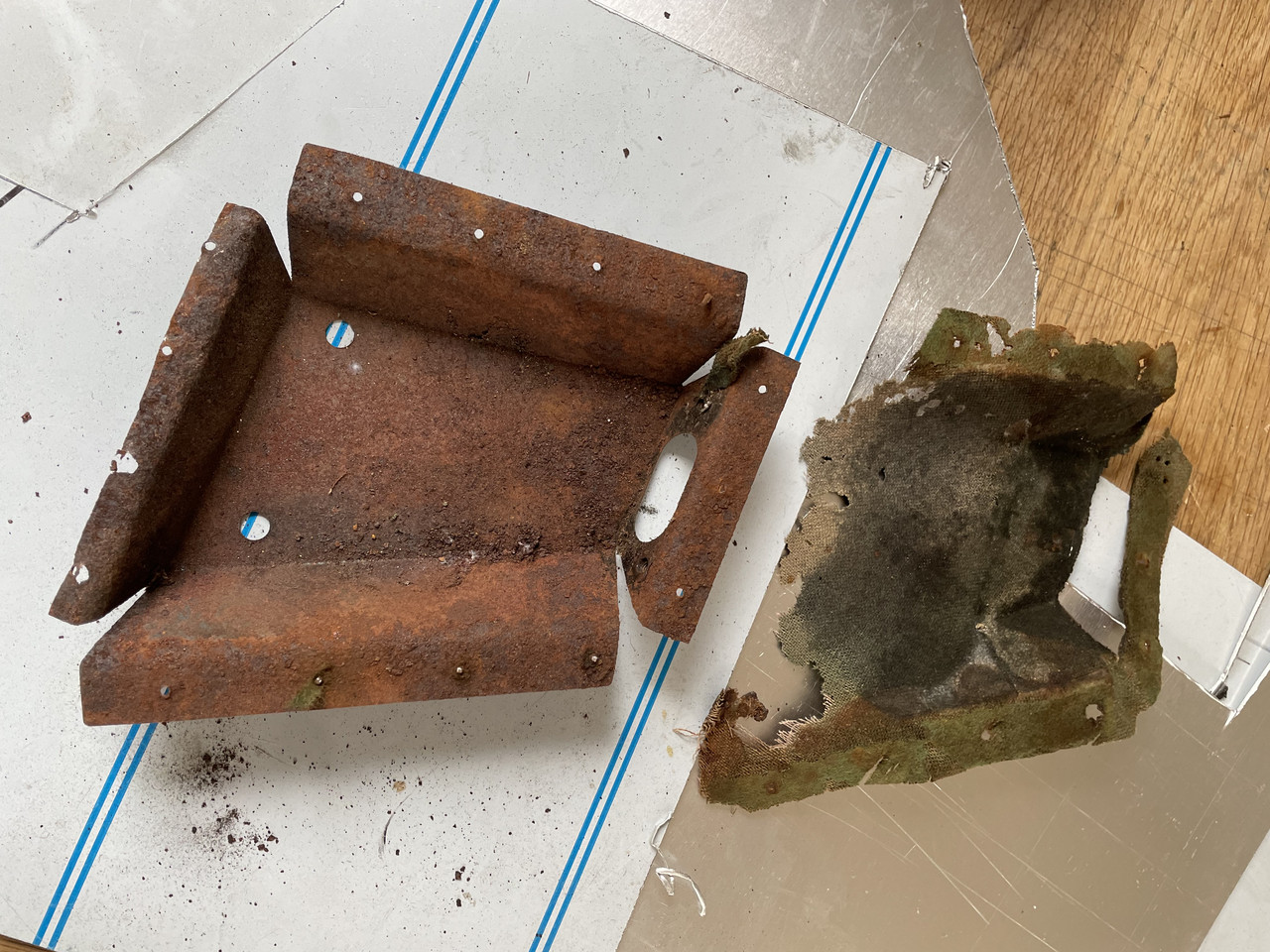
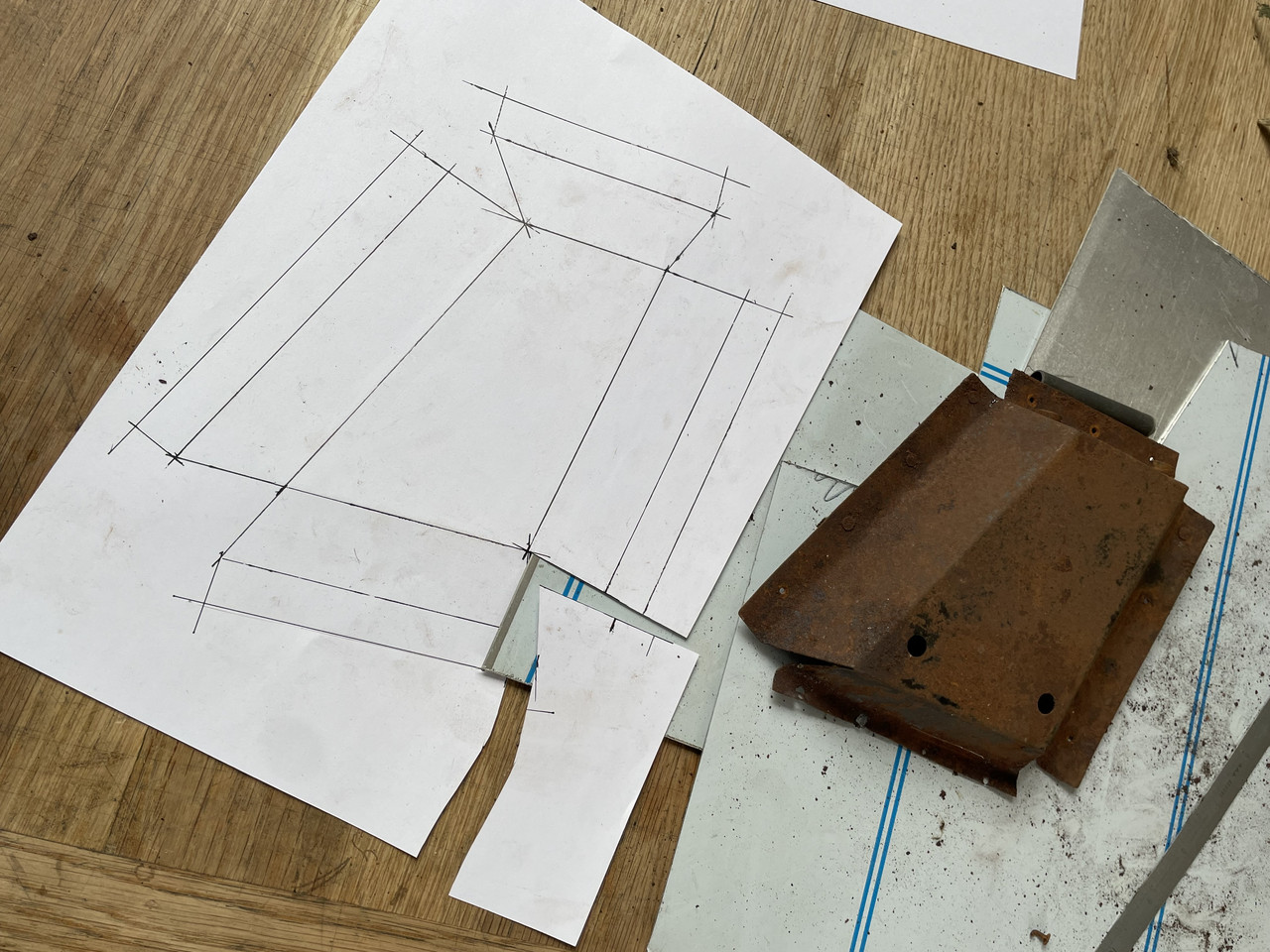
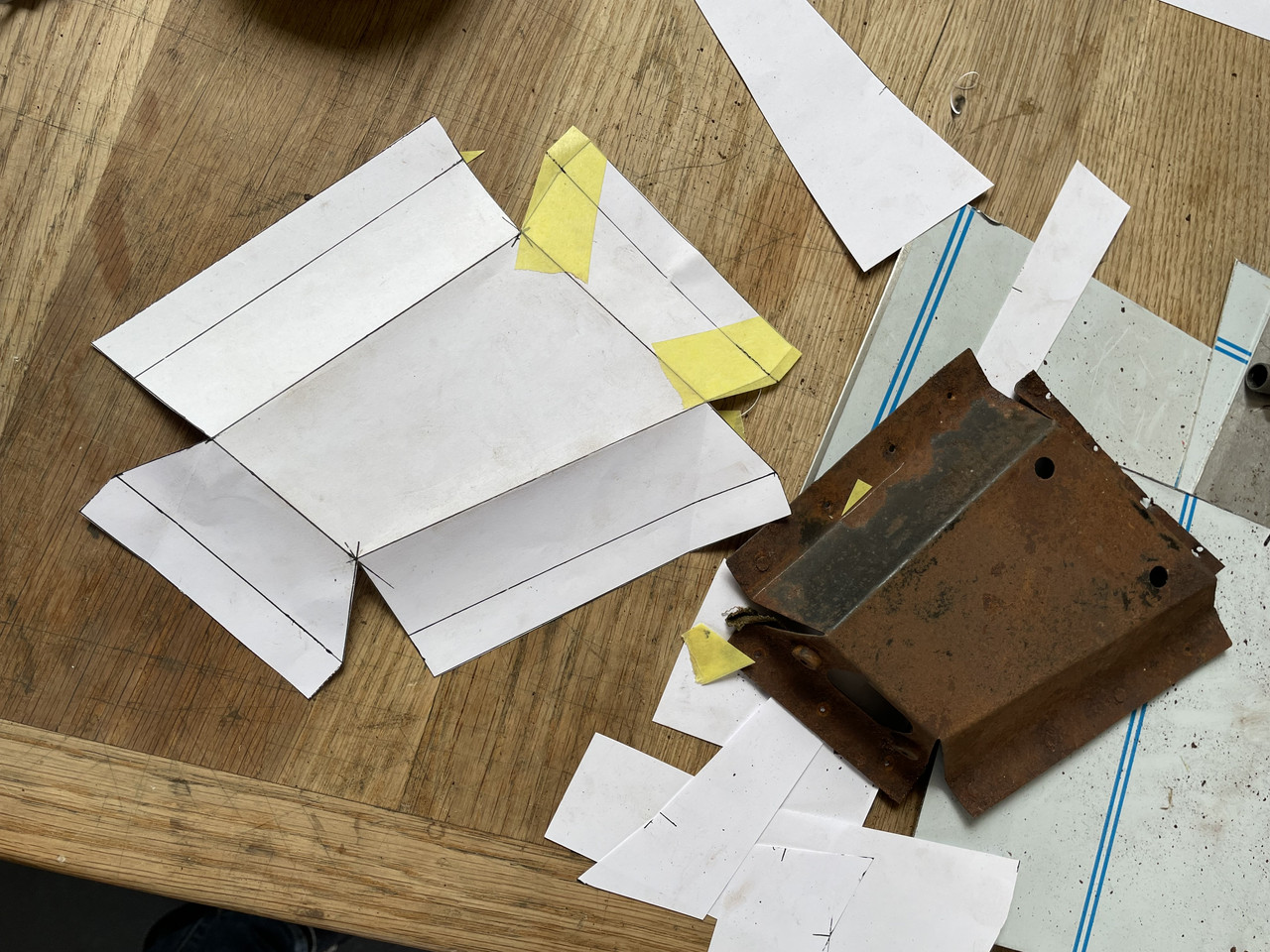
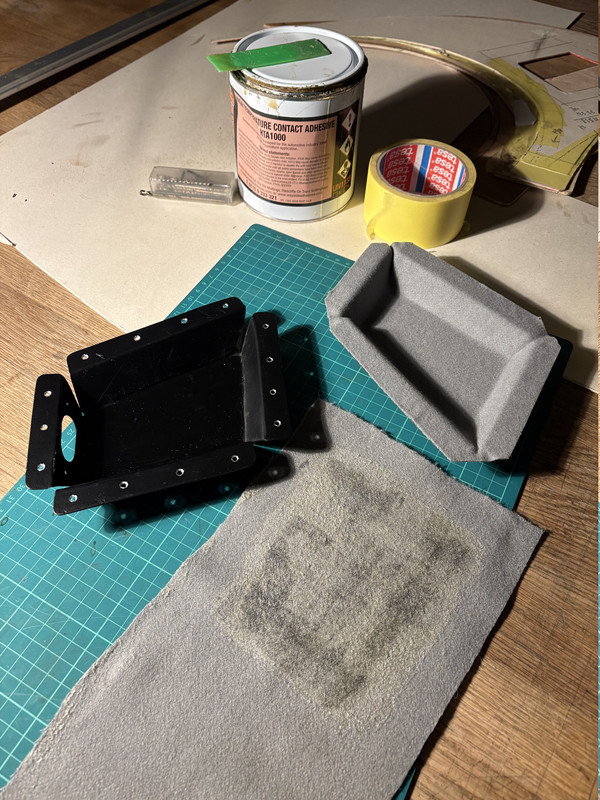
Last piece of the puzzle was the side panels to cover the door shuts at the base of the B post. I felt that this form was something that had to have an element of curvature to it, as a simple folded panel would be too crude…so having settled on the principle of the design in a sketch drawing it was out with the card to begin the mocking up process…which seemed to have promise…just needing me to solve the small task of how to fabricate this conical curved top surface……time for a further investment……a mini folder
Trouble with all this focus on the interior is that mission creep is ever present…..I didn’t like the way in which carpet in the original XK120’s was trimmed around the cills , and that their exposed top surface was left as painted body colour….which over time was bound to be scratched and scuffed. I had seen cars with stainless cill cover trims but they look too brash and draw attention to themselves….this is bad enough on a silver car ….on my car it would be awful……
So what to do…..
Out with the folder….wrap in vinyl ….
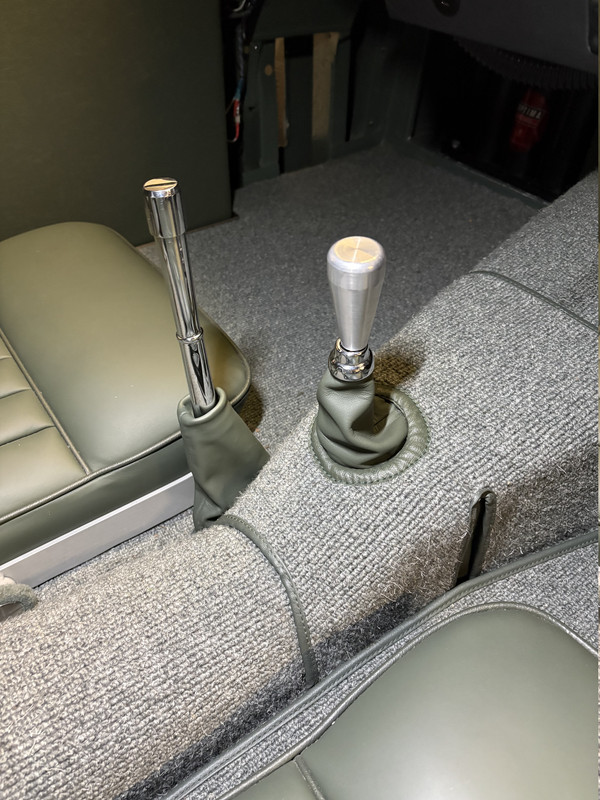
And then to finish off the carpet edge I sourced some dark olive green anodised edge trims…these were then mitred and screwed/bonded into place over the vinyl….allowing the carpet to tuck in neatly
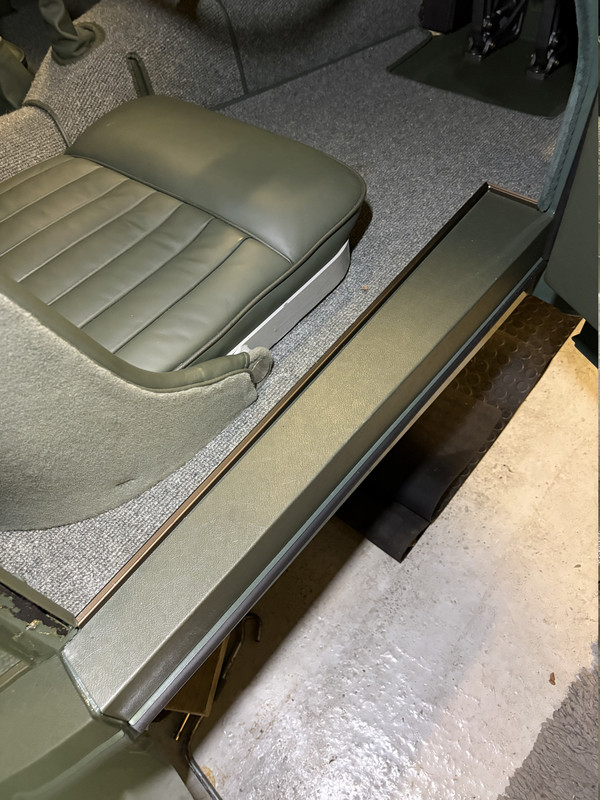
Oh…and the carpet itself….hymmm….wasn’t terribly keen on the soft Wilton look of standard carpets…and have always admired the square weave patterns of a Porsche 356 and a Mercedes Pagoda….so suede green was sourced….it is twice the price of standard carpet…but absolutely worth it….
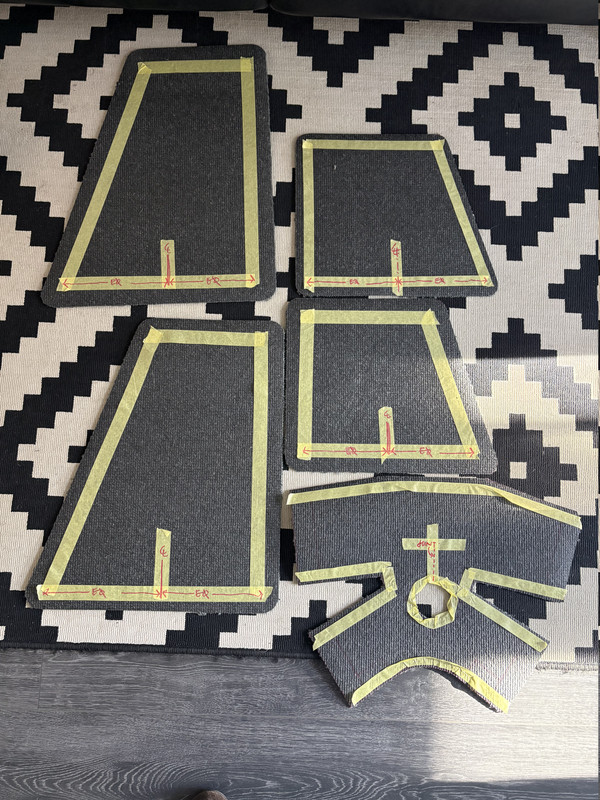
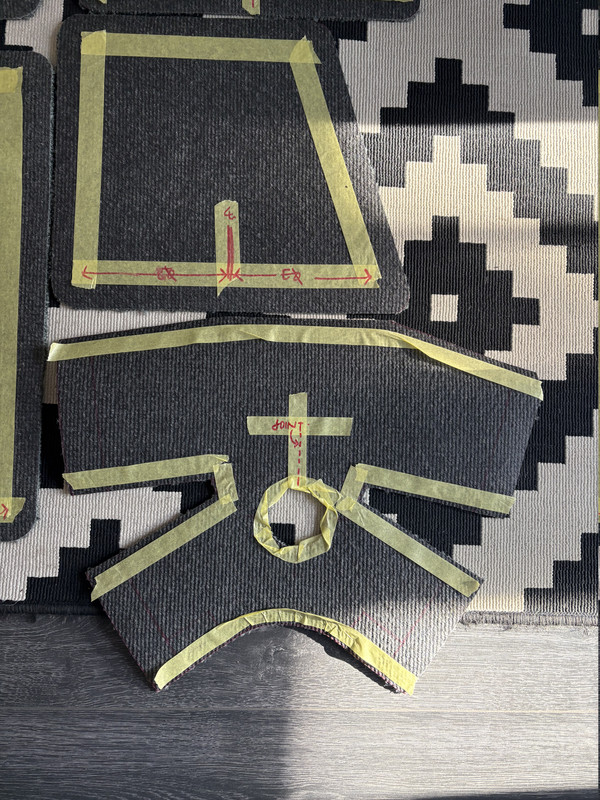
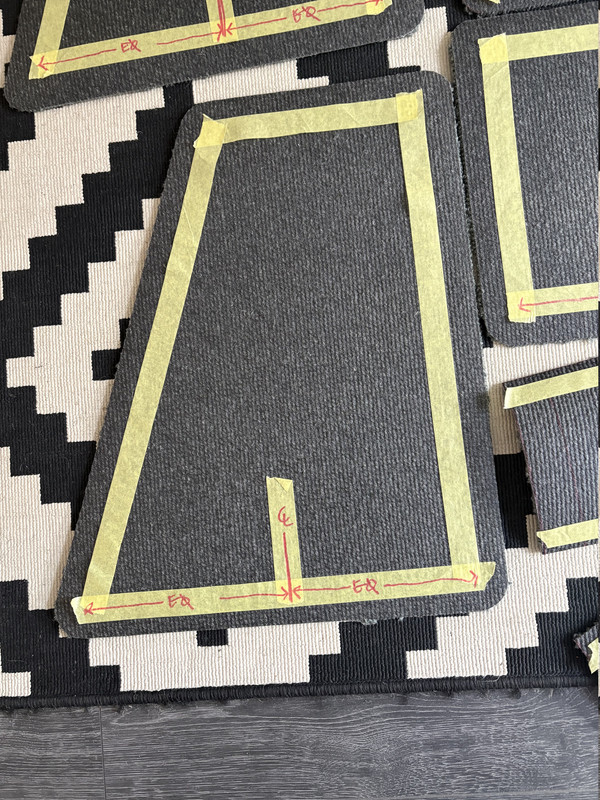
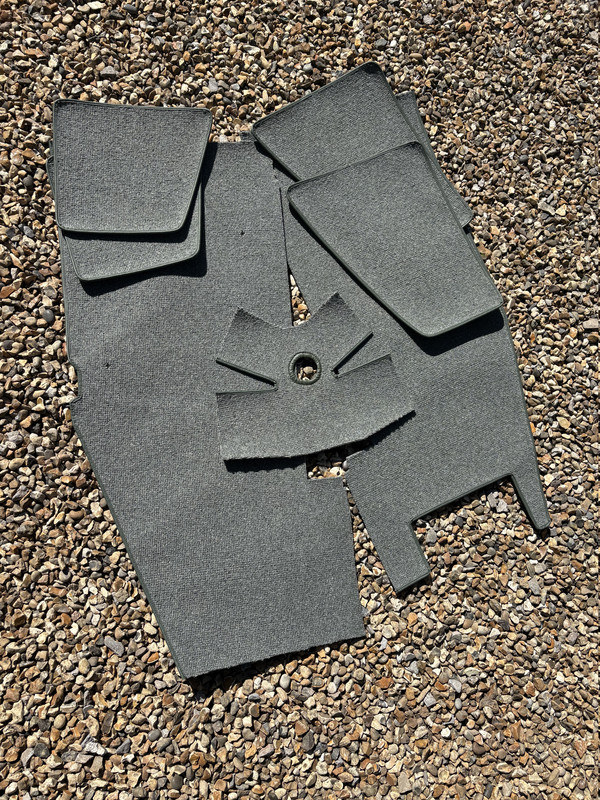
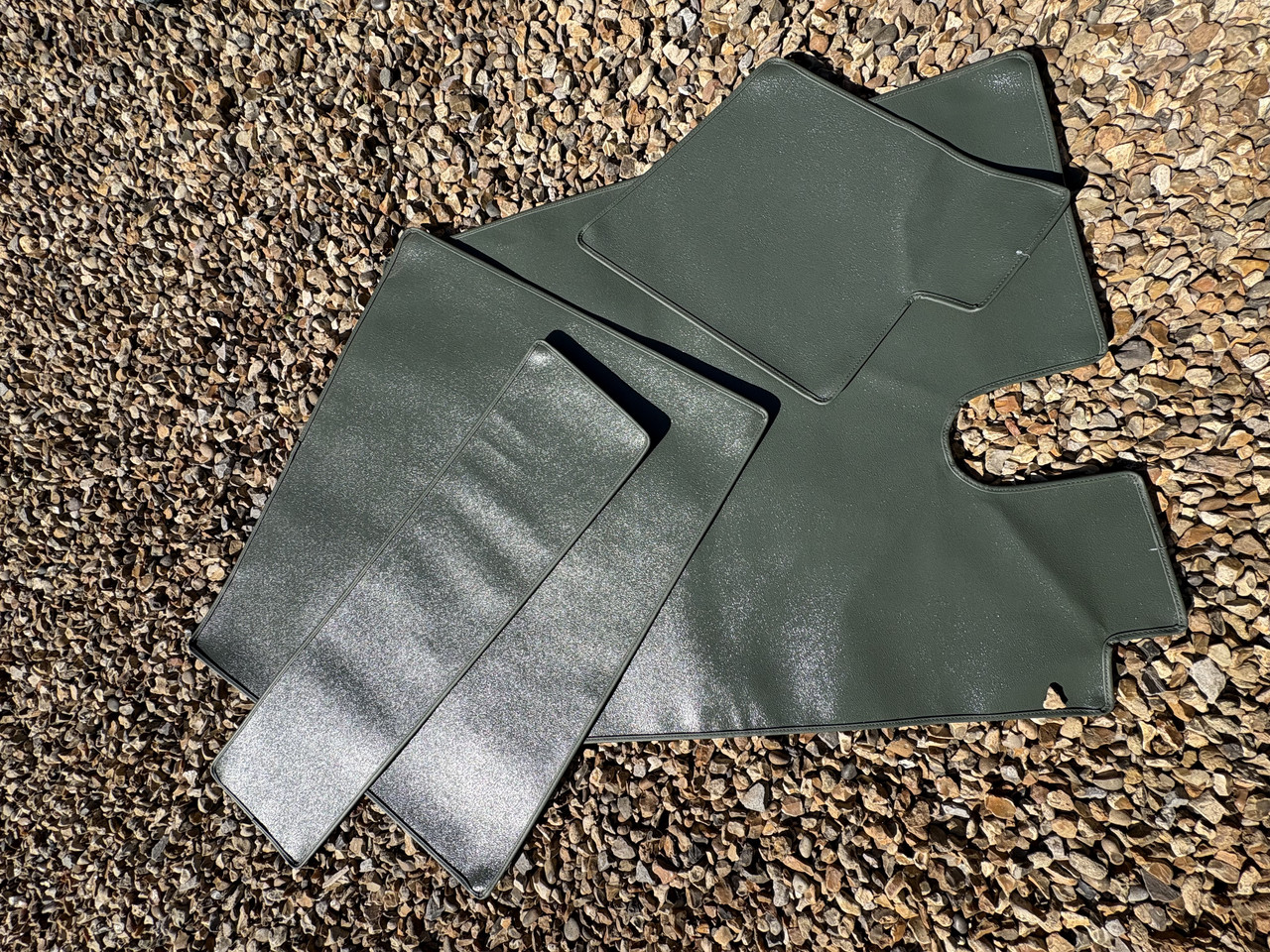
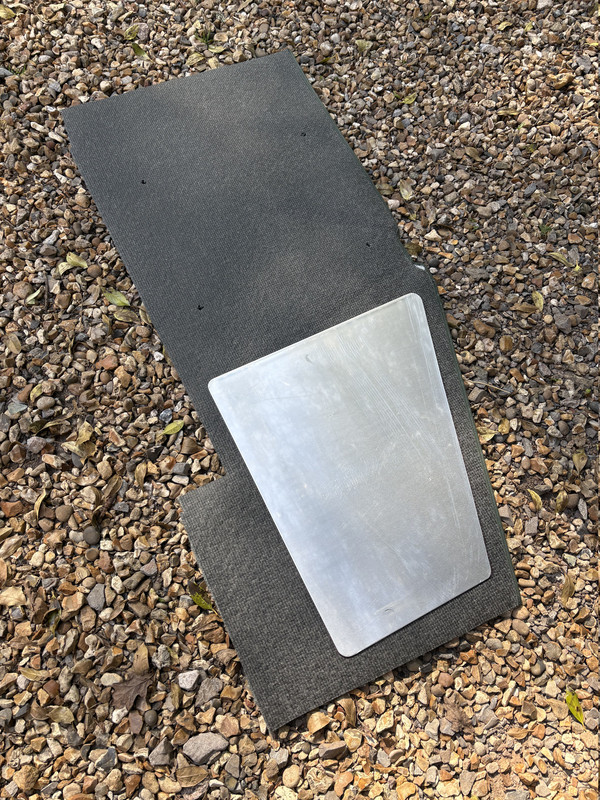
Last exercise was to make patterns and then cut the carpet into a set for edge binding….which whilst I could probably do myself I don’t yet have an industrial quality sewing machine…..and Graham at GB trim knows exactly how to do these tricky things…..the yellow masking tape was the instruction for where to add the edge binding…and the red marks were where I wanted the joint lines in the edge trim to be located
And lovely they did look when delivered…..including a hidden profilled sheet of 3mm aluminium bonded to reinforce the foam sound deadening below..
And even better when installed…..
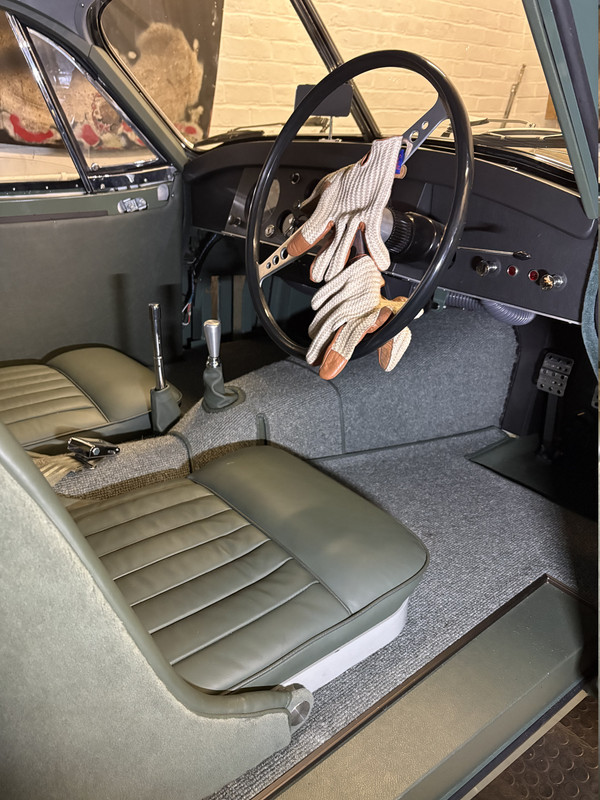
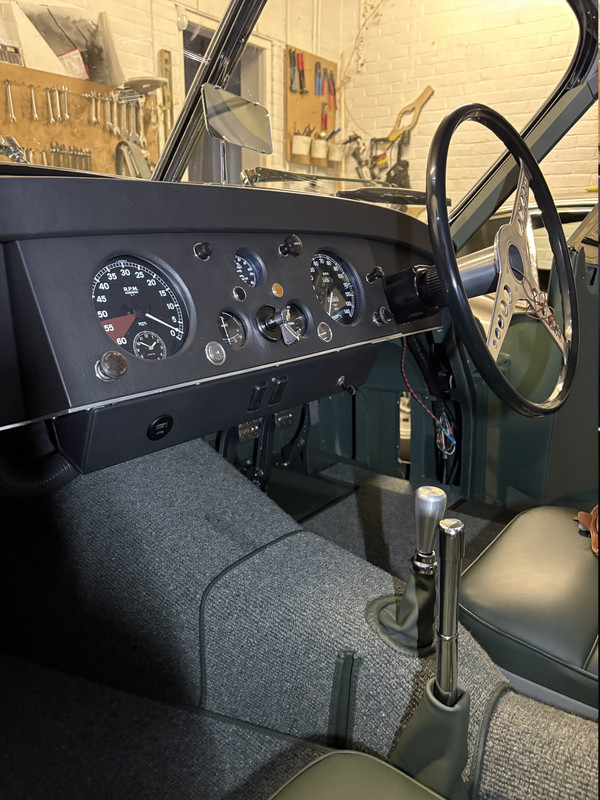
And then to finally resolve how to incorporate the window switches….dip/main beam and a USB charger I made a bespoke under dash console….wrapped in black leather…
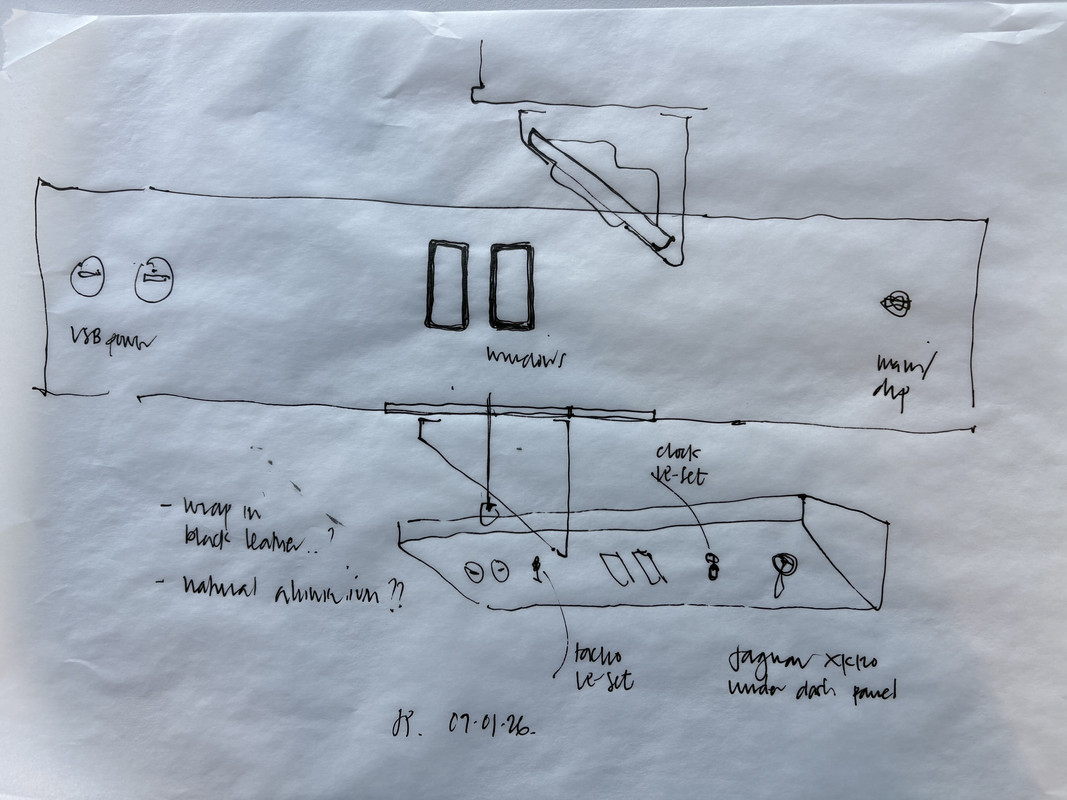
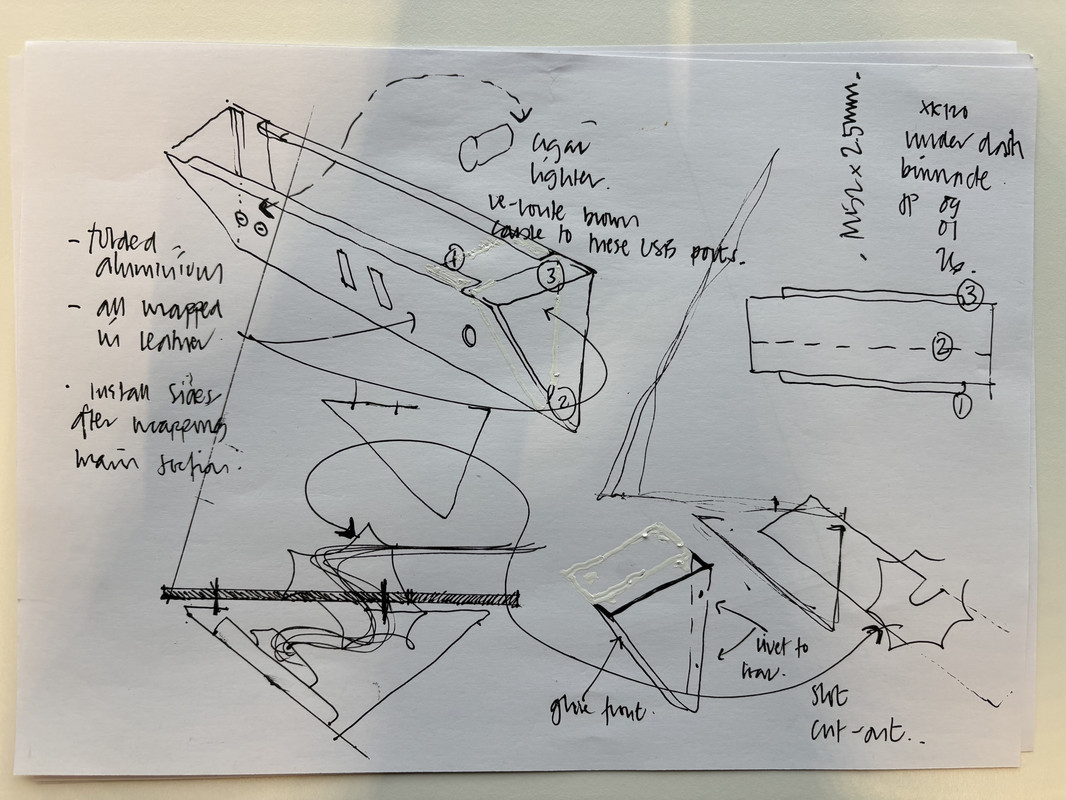
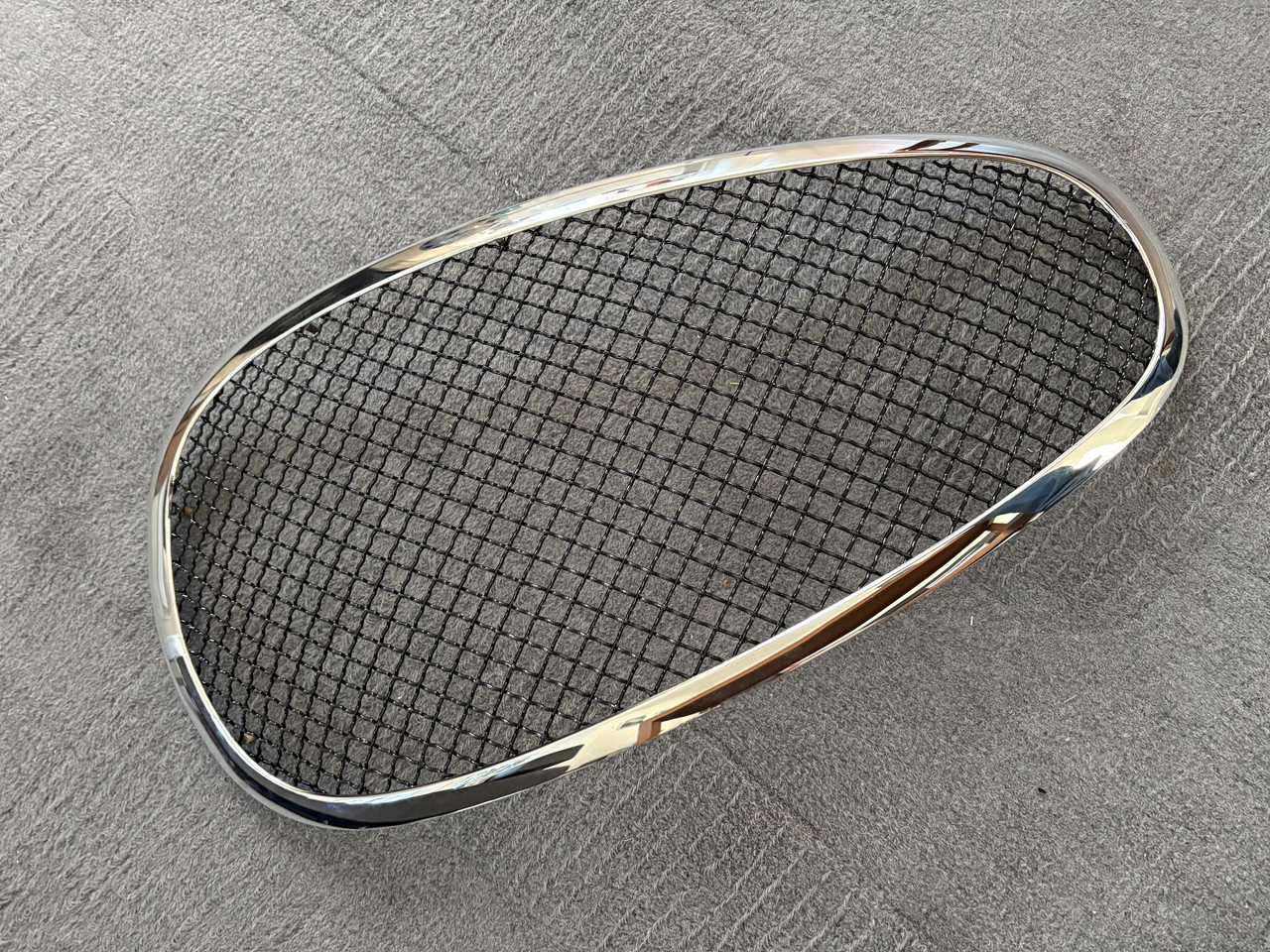
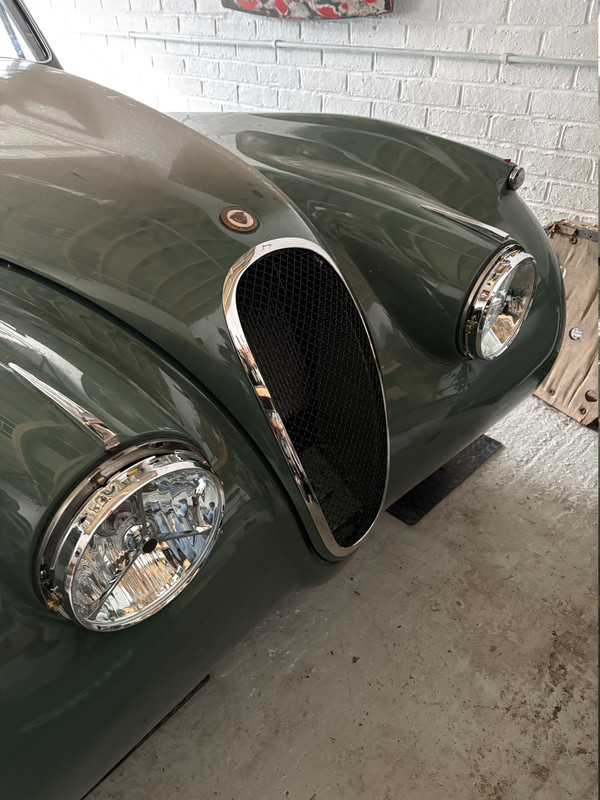
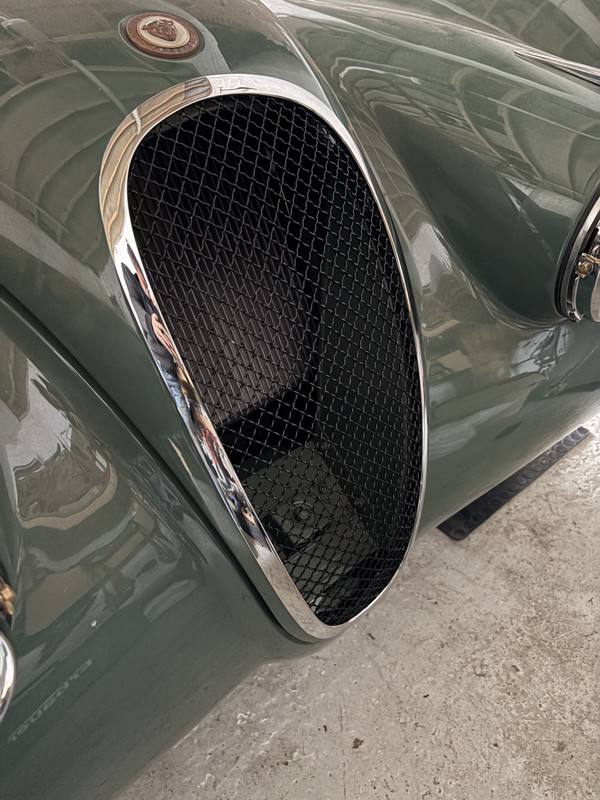
So too was the bespoke grille….my car was missing a few of the vertical slats for the front grille so it seemed an ideal opportunity to refine with a mesh grille….brass. Curved in a former that barry shaped on the English shell and then soldered by me prior to etching prime and gloss black top coat….lovely when sitting in the re-chromed brass surround
So…I guess I should bite that bullet….stop procrastinating….and go for a drive……..let’s see what that reveals….
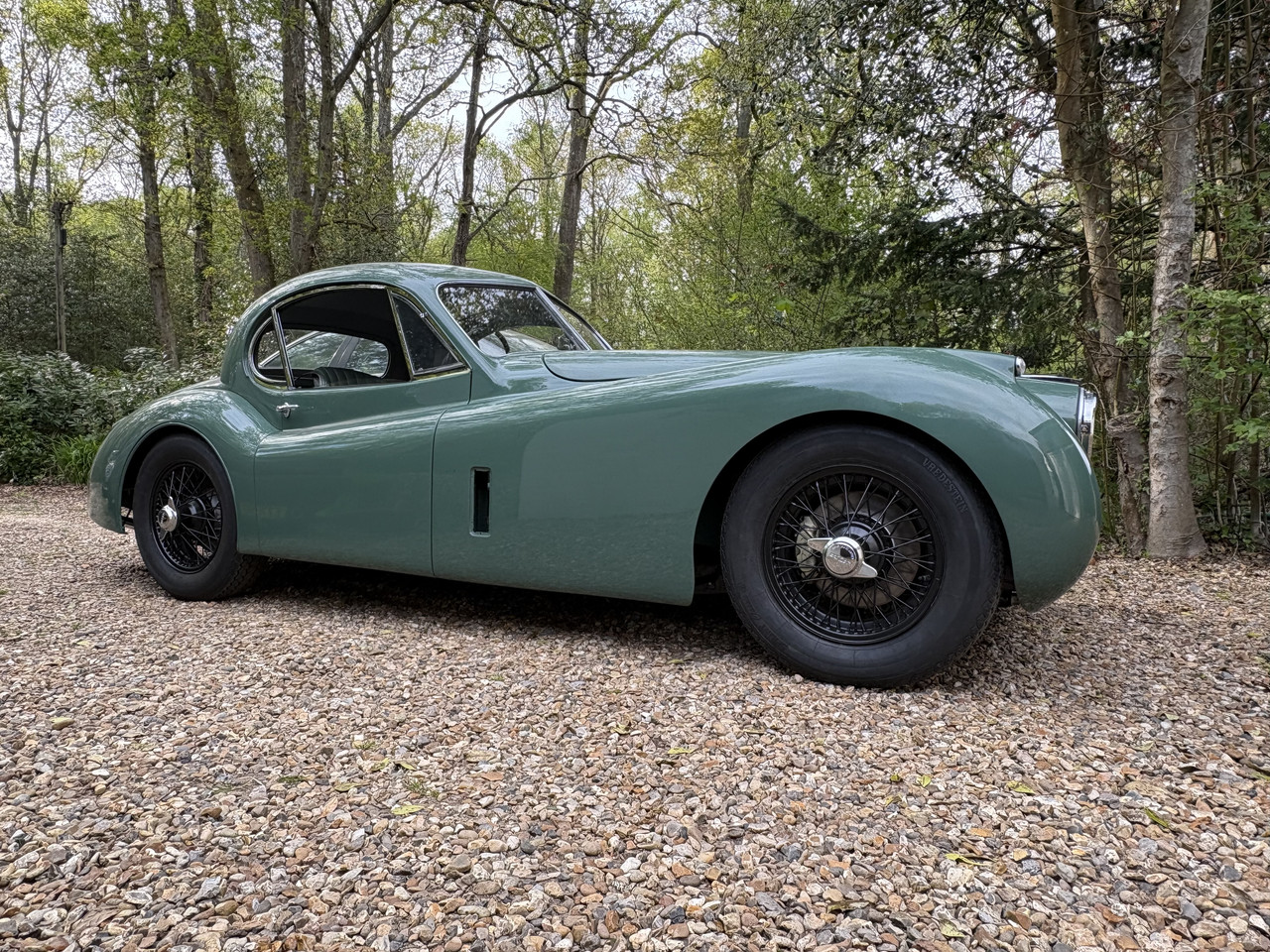
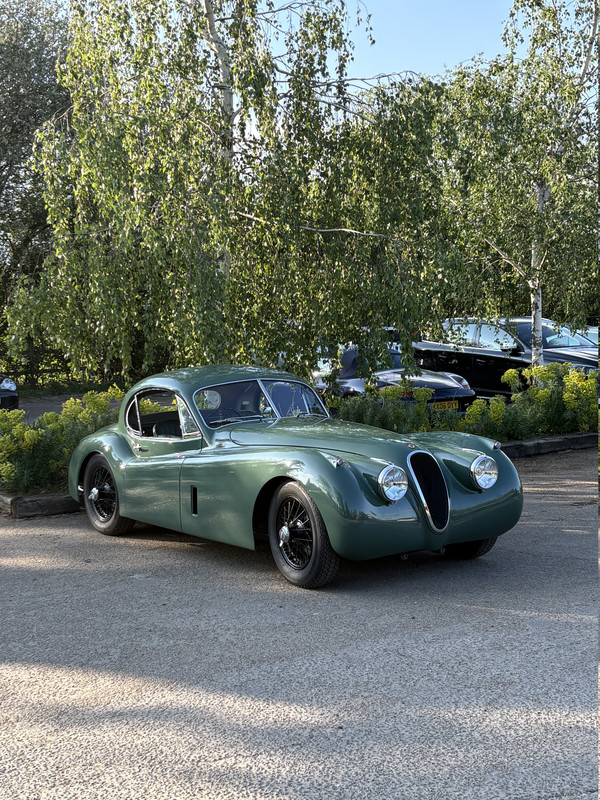
Thanks for reading….

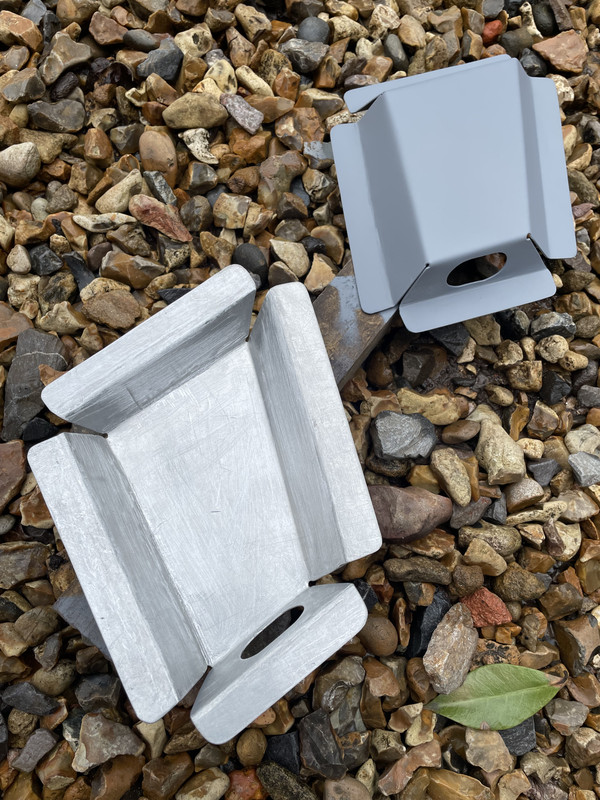
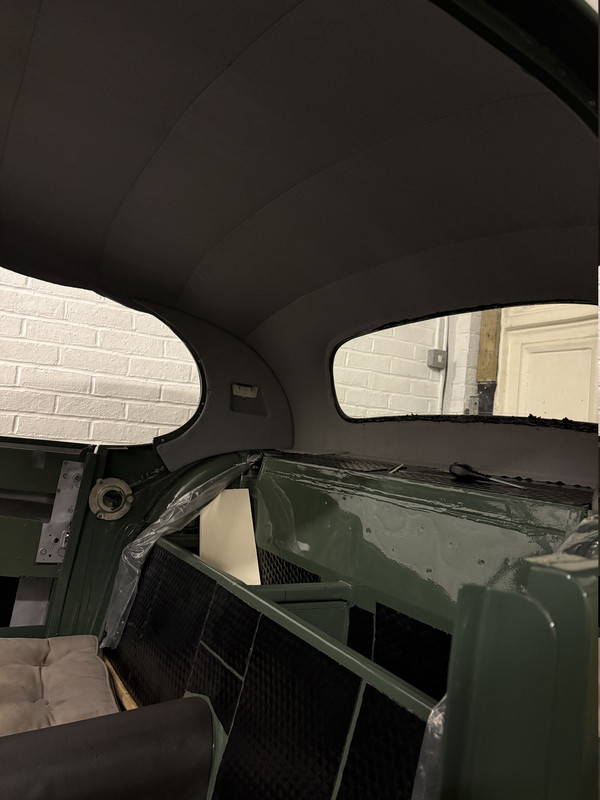
 That last photo doesn’t capture the hours of work and swearing!